Conex box vs shipping container: what to rent
People say conex box for almost any steel storage container, and shipping container for the big ones that come off a ship. When you rent one for a site, the name matters less than the length, height, doors and condition. This guide sorts out the words and gives you the questions that get you the right box.
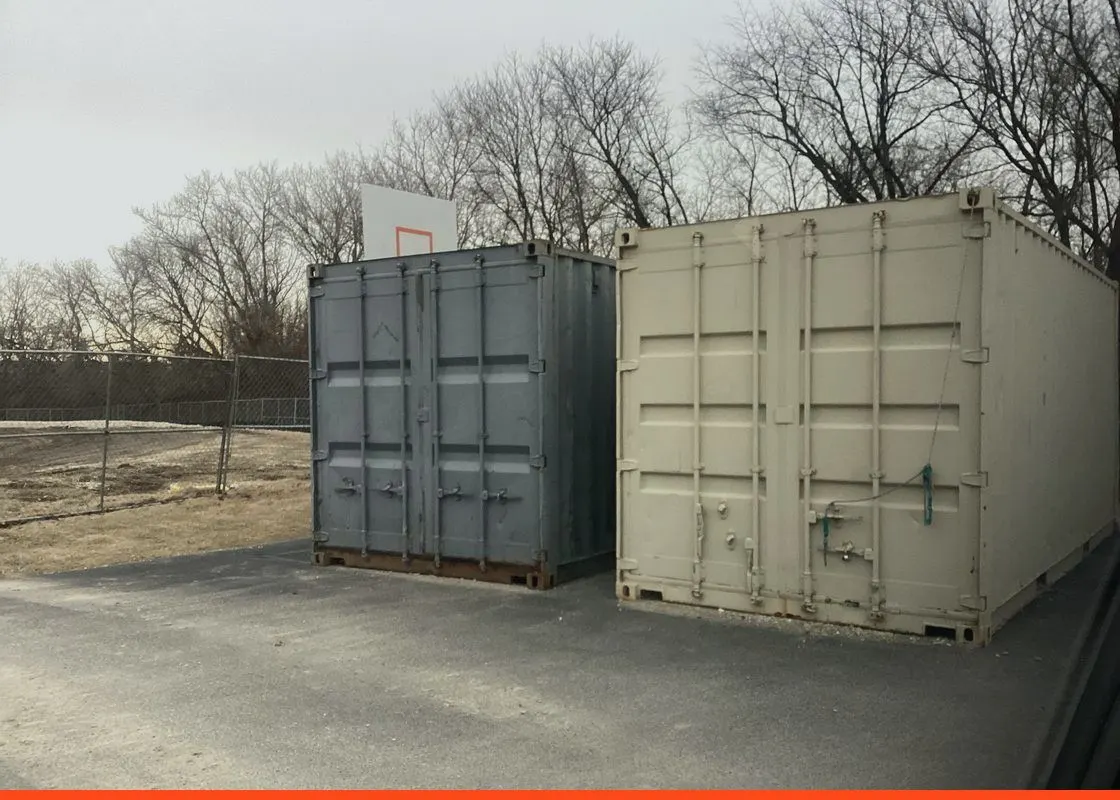
- Length20 feet or 40 feet
- DoorsOne end or side access
- ConditionWatertight and secure
The words
What people mean by each term
The terms overlap, so use the specs, not the name.
| Term | What people usually mean | What to do |
|---|---|---|
| Shipping container | A steel box built to move cargo by ship, truck and rail. The main international marine container is a 40 foot dry box, and 20 foot and 45 foot containers also exist1 | Ask for the exact length and height |
| Conex box | A common name for a steel storage container. Many people use it for any size | Do not rely on the name. Ask for the specs |
| Storage container | A container rented for storage on a site | Ask about doors, locks and condition |
| Office container | A container fitted out as an office | See office trailer rental |
Need storage on a site?
Tell us what you need to store, for how long and where the box will sit. We source it from a local provider.
Before you book
What to ask a provider
The name does not tell you what shows up.
- 01
What are the exact dimensions?
Length, width and height. Our storage container sizes guide shows how sizes compare.
- 02
What condition is it in?
Ask about the roof, the floor, the seals and the doors. A leaky box ruins what you store.
- 03
How will it be delivered and set?
Ask about the truck, the space needed to place it and whether it sits on the ground or on blocks.
- 04
What are the locks and access like?
Door type, lock options and how many people need access.
Common questions
Conex and shipping container questions
What is a conex box?
A common name for a steel storage container. People use it for many sizes, so ask for the exact dimensions.
Is a conex box the same as a shipping container?
They overlap. Shipping containers are built for cargo transport, and people often use conex box for any steel box used for storage.
What sizes do shipping containers come in?
FHWA describes the principal international marine container as a 40 foot dry box, and notes 20 foot and 45 foot containers also exist.
What should I check before renting one?
Exact dimensions, condition, doors and locks, delivery and where it will sit.
Can you deliver a container to a job site?
Yes. We source containers from local providers. Call sales at (888) 588-2607.
Do I need a permit?
Rules vary by city. Ask your provider and the city before you place one.
Storage containers on one agreement
Local providers do the work; we hold the contract, own the problems, and send one bill. If a delivery gets missed, we contact the provider the same business day.
Read next
Sources
- Federal Highway Administration, Achieving Intermodal Freight Efficiency. Checked November 3, 2026. fhwa.dot.gov