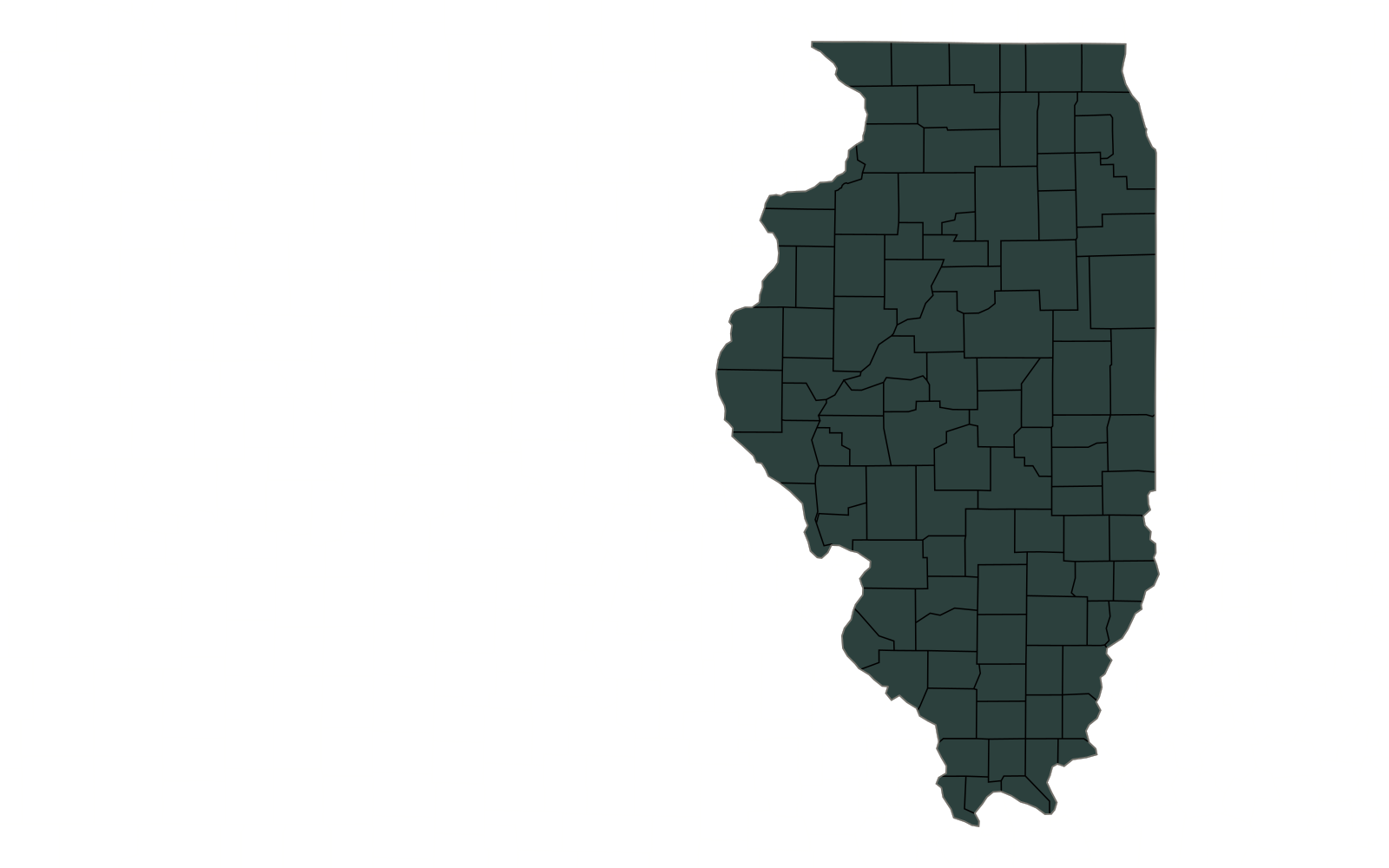
Detritus / Coverage / Illinois
Illinois
Roll-offs and portable sanitation for sites in Illinois
Operating commercial sites across Illinois means working within Illinois EPA debris-recovery permitting, state-certified portable sanitation licensing, and strict municipal street-occupancy rules in dense urban cores. Below are our completed Illinois delivery figures through October 2026 alongside the regulations that affect site setup.
Last reviewed October 27, 2026.
Consolidated service across Illinois
Local Illinois haulers run the roll-off trucks and sanitation routes across both northern metro corridors and downstate counties, while Detritus holds one master contract, manages dispatch and escalations, and sends one consolidated invoice. One agreement covers roll-off dumpsters, portable toilets, and restroom trailers at every Illinois address. For teams comparing contracting models, read how a broker, a direct hauler, and a managed network differ.
Review how orders move from sourcing and pricing through dispatch and billing, or visit multi-site facilities if you manage locations across the Midwest.
The network
The network in Illinois
At Illinois job sites, October 26, 2024 through October 26, 2026 · Published figure
Figures are counts of completed deliveries, providers, and accounts in this window from our records, as of October 2026. Roll-off deliveries are containers delivered. Portable toilet deliveries are units placed, not orders. A company that completed both services is counted in both service rows, so those rows are not a split of the provider total. The counts are not a promise that every address is covered. Front-load service, compactors, and balers are not in these counts.
State rules
Illinois disposal, sanitation, and street rules
Illinois EPA permits C&D recovery facilities statewide, the Illinois Department of Public Health licenses portable sanitation businesses and technicians, and cities govern public-way container placement. This briefing provides operational context for commercial buyers. It is not legal advice, so verify current statutes and local ordinances for each address.

C&D recovery permits and local recycling
Per Illinois EPA’s general construction and demolition debris rules, operating a general C&D debris recovery facility has required an Illinois EPA permit since July 6, 2024. In Chicago, the city’s C&D recycling ordinance requires contractors on covered projects to recycle at least 50% of recyclable debris and file a Recycling Compliance Form with the Department of Public Health upon completion. Confirm material acceptance with the receiving facility before scheduling a haul.
Portable sanitation business licensing
Under 77 Ill. Adm. Code 905.135, portable sanitation operators must hold a Portable Sanitation Business License and attest that only certified portable sanitation technicians and trainees will transport, service, clean, or pump portable toilets and hand-washing units. For crew-to-unit ratios on active jobs, consult our OSHA portable toilet requirements guide.
Public-way dumpster permits
Containers placed on private lots avoid street permitting, whereas blocking a curb lane or public way requires municipal approval. Chicago’s Department of Transportation permit portal issues a dedicated DOT Dumpster permit for large construction roll-offs on the public way, while other Illinois municipalities administer their own street permits.
State solid waste management fee
Under 415 ILCS 5/22.15, sanitary landfills receiving more than 150,000 cubic yards per year pay a state solid waste management fee of 95 cents per cubic yard or $2.00 per ton. Landfills permitted exclusively for C&D debris or landscape waste are exempt. That is a statutory disposal fee paid by the facility, not a Detritus rental rate. See our landfill tipping fees guide for how gate fees affect haulage.
Providers
Operate roll-off or portable sanitation trucks in Illinois? Connect with our network team through vendor support, and review the vendor payment guide for payout terms.
Answers
Common questions
Who permits a dumpster on an Illinois street?
Municipal transportation or public works departments permit roll-offs placed on city streets. In Chicago, the Department of Transportation issues a dedicated DOT Dumpster permit for containers on the public way, while other Illinois cities enforce their own street rules and state highway rights-of-way require separate state approval.
What permits apply to construction debris recovery facilities in Illinois?
Since July 6, 2024, Illinois EPA rules prohibit owning or operating a general construction or demolition debris recovery facility without an Illinois EPA permit. Covered projects in Chicago must also recycle at least 50% of recyclable debris and file a Recycling Compliance Form upon project completion.
What license is required to pump portable toilets in Illinois?
Under 77 Ill. Adm. Code 905.135, portable sanitation companies must hold a Portable Sanitation Business License and confirm that only certified portable sanitation technicians and trainees transport, service, clean, or pump portable toilets and hand-washing units.
Do Illinois roll-offs and portable toilets require separate contracts?
No. One master agreement covers all of your Illinois locations, with each address carrying its own mix of roll-off dumpsters, portable toilets, and restroom trailers on consolidated billing. Approved accounts can be offered Net 30, 60, or 90, subject to credit review. Nothing on this page is an offer of credit. See the terms of use.
Talk to us
(888) 588-2607
Quote your Illinois portfolio together
Share your site addresses, container sizes, and service frequency, and we will price the entire Illinois schedule on one quote.
Sources
Sources
- Detritus network figures as of October 2026. Definitions are on state coverage.
- 415 ILCS 5/22.15, fees, read October 27, 2026.
- 77 Ill. Adm. Code 905.135, Portable Sanitation Business License, read October 27, 2026.
- Illinois EPA, General construction or demolition debris, read October 27, 2026.
- Chicago Department of Transportation, Online permit portal, read October 27, 2026.
- City of Chicago, Construction and demolition sites recycling, read October 27, 2026.