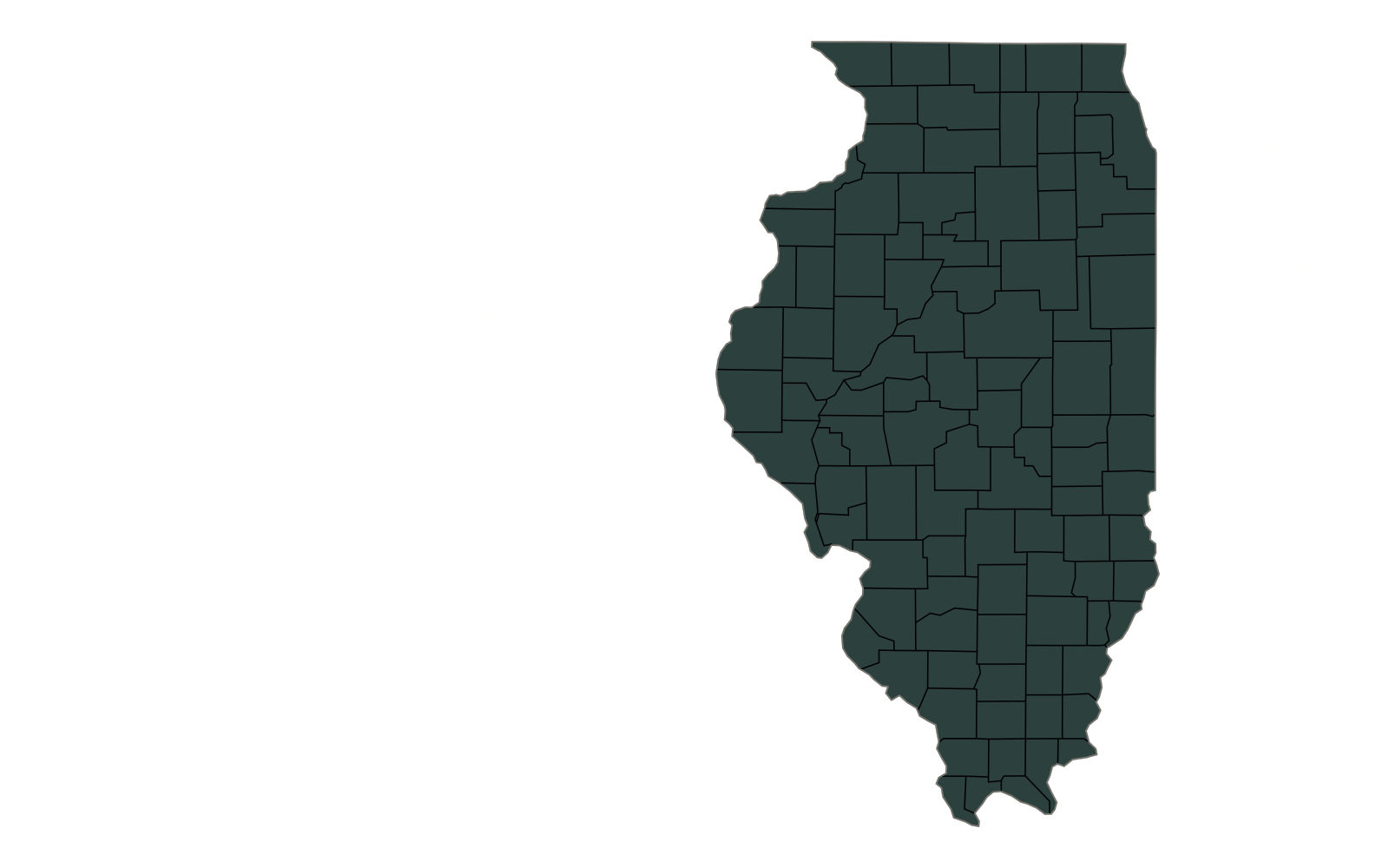
Detritus / Coverage / Illinois / Chicago
Chicago
In Chicago the hauler permits every container
Local haulers do the work; we hold the contract, own the problems, and send one bill. Chicago requires the company that collects from a container to hold a private scavenger license and a permit for that container, so a customer's paperwork starts with the hauler's.
Last reviewed October 27, 2026.
Short answer
- A company collecting refuse in Chicago must first hold a City regulated business license for private scavenger activities, issued through Business Affairs and Consumer Protection.
- The company that provides refuse collection for a container is responsible for its commercial refuse container permit, which runs in four-month periods starting April 1, August 1, and December 1.
- Haulers report every container's location between the 1st and 10th of each month, and the city may remove any container without a valid permit at the provider's expense.
- 13 providers in our provider network have completed jobs in Chicago.
Paperwork that starts with the hauler
A manager with sites across Chicago can't see the container permit from the customer side, because the city puts it on the company that empties the container. We keep your sites on one account and answer for the hauler behind each one. When a pickup gets missed, we contact the hauler the same business day.
One dumpster with a hauler already in the city's system can stay as it is. The hauler, broker, and provider network page shows where we fit, and the Illinois page has state rules.
Chicago deliveries in the record
Our record of deliveries to Chicago addresses for October 26, 2024 through October 26, 2026, with cancellations left out.
Figures are counts of completed deliveries, providers, and accounts in this window from our records, as of October 2026. Roll-off deliveries are containers delivered. Portable toilet deliveries are units placed, not orders. A company that completed both services is counted in both service rows, so those rows are not a split of the provider total. The counts are not a promise that every address is covered. Front-load service, compactors, and balers are not in these counts. The sanitation figure adds portable toilets and hand-wash units placed. Where a restroom-trailer count is shown, it is units placed.
The scavenger license comes first
Under Municipal Code 4-6-130, a refuse company has to hold a City regulated business license for private scavenger activities before the Department of Transportation will give it access to the container permit website. Without a valid license the system stops the application and points to the Business Assistance Center at City Hall. The city says the permit exists to oversee containers, recover inspection and rodent-control costs, cut alley clutter, and encourage recycling.
The container permit and its calendar
The commercial refuse container permit covers containers on private and public property. Containers are grouped by size, from under one cubic yard to over ten, and recyclable-only containers carry no charge. Enforcement is shared among Streets and Sanitation, the Department of Transportation, Business Affairs, and Finance. Fines are set per offense, each day a violation continues counts as a separate offense, and if the container's owner differs from the provider, the owner is jointly liable.
- License firstPrivate scavenger license, Municipal Code 4-6-130
- Who holds itThe company that collects from the container
- PeriodsFour months, starting April 1, August 1, and December 1
- ReportsContainer locations, the 1st through the 10th of each month
- Payments dueJuly 15, November 15, and March 15
- No permitThe city may remove the container at the provider expense
Demolition debris and the county line
Cook County's demolition permit page says all demolition permits must divert 70 percent of their debris, with residential projects also showing 5 percent diverted for reuse, and a Debris Diversion Plan goes in with the application. Waste tickets are kept for at least three years. The page doesn't say whether the rule reaches inside the City of Chicago, so confirm which office permits a job near the city line.
Chicago storms, cold, and the building calendar
NWS Chicago publishes severe weather climatology from 2001 to 2024 and a winter summary for O'Hare. Census permit data shows houses level and apartments sliding.
- May and June
Tornado and hail peak
NWS finds tornadoes and damaging hail most frequent in these months, with hail on two to three days a month.
- June and July
Wind and severe days
Damaging winds are most frequent now, on five to six days a month, and severe weather peaks with at least 7 severe days.
- Winter 2025 to 2026
Cold and thin snow
O'Hare recorded 21.9 inches, 7.7 below normal, and wind chills as cold as -40 degrees on January 23 and 24.
Chicago-Naperville-Elgin, IL-IN, January to August 2026 against the same months of 2025. Single-family permits are level and apartment permits are down, so fewer long multifamily builds are starting.
Chicago services and hauler sign-up
Chicago buyers can book dumpster rental, portable toilets, hand-wash stations, and restroom trailers.
For haulers
Licensed as a private scavenger, or renting toilets in Chicago? Join the provider network through the vendor form, free of charge. Invoices go to accounting@detritus.us, and Bill.com pays them from the processing date. The vendor payment guide covers each step.
Answers
Common questions
Does a Chicago hauler need a license?
Yes. A refuse collection company must first hold a City of Chicago regulated business license for private scavenger activities, under Municipal Code 4-6-130, before the Department of Transportation gives it access to the container permit website.
Who holds the Chicago container permit?
The company that provides refuse collection for the container. Permits run for four-month periods starting April 1, August 1, and December 1, and the provider reports container locations between the 1st and 10th of each month.
What happens to a Chicago container without a valid permit?
The city may remove it at the provider's expense. Fines are set per offense, each day counts as a separate offense, and an owner who differs from the provider is jointly liable.
Can an approved Chicago account get payment terms?
Approved accounts can be offered Net 30, 60, or 90, subject to credit review. Nothing on this page is an offer of credit. Terms of use apply to a Chicago account.
Talk to us
(888) 588-2607
Send the Chicago sites
Send the Chicago addresses and who hauls at each, or call.
Sources
Public sources read October 28, 2026.
- Our own delivery records.
- Commercial Refuse Container Permitting System FAQ, City of Chicago Department of Transportation.
- Demolition Permitting, Cook County.
- NWS Chicago Severe Weather Climatology, NWS Chicago.
- Winter 2025-26 Climate Summary, NWS Chicago.
- Building Permits Survey, U.S. Census Bureau.