Detritus / Coverage / Louisiana
Louisiana
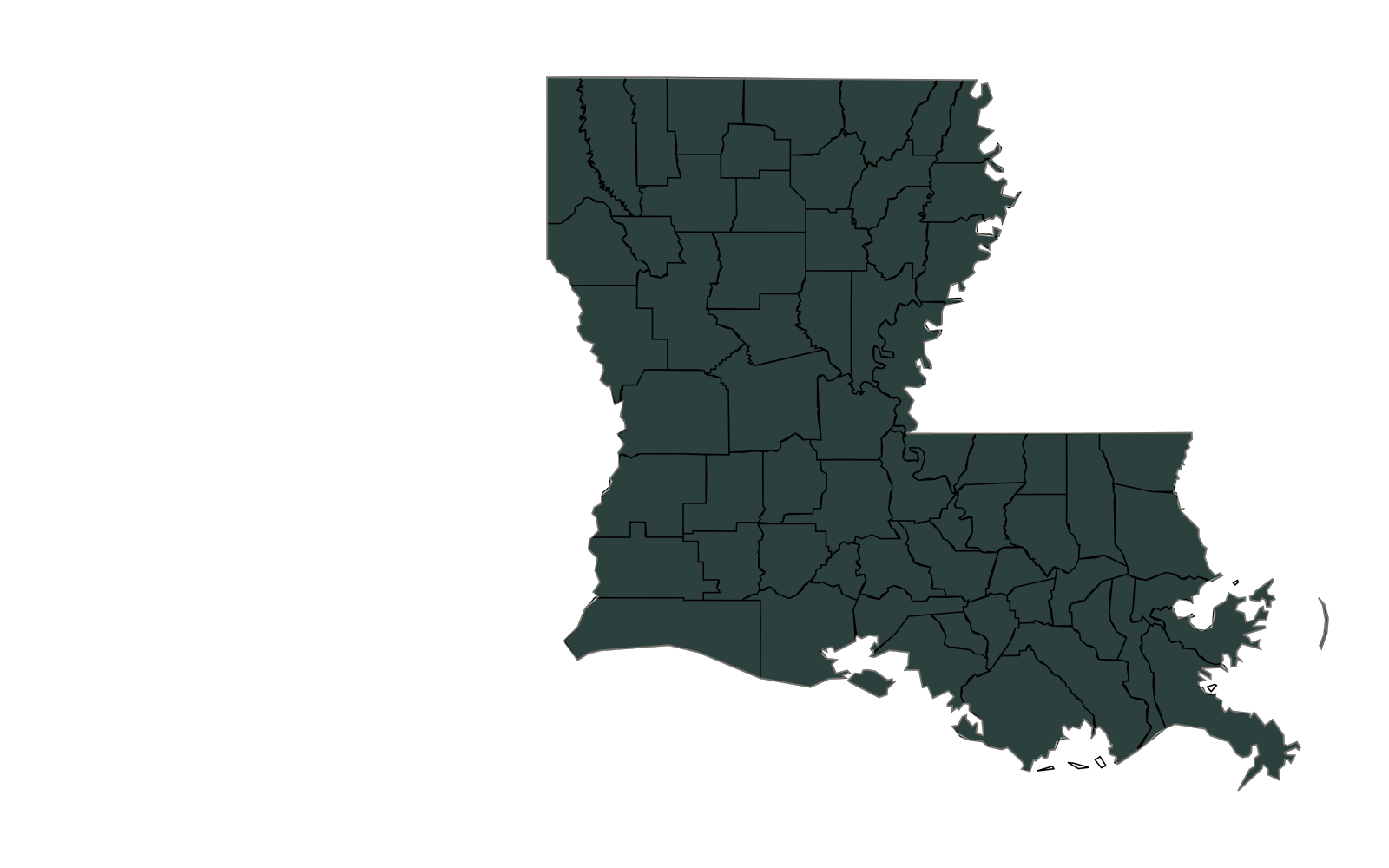
Roll-offs and portable sanitation for sites in Louisiana
Multi-site operators and regional project teams across Louisiana use Detritus to coordinate local roll-off haulers and sanitation crews under one contract and one consolidated invoice. Review our verified Louisiana delivery figures alongside the state disposal, septage-hauling, and right-of-way rules that shape site setup.
Last reviewed October 27, 2026.
How service works across Louisiana
Independent Louisiana haulers and sanitation operators run the trucks while Detritus holds the master contract, resolves field issues, and consolidates billing onto a single invoice. One agreement covers roll-off dumpsters, portable toilets, and restroom trailers across every parish where you operate. Teams comparing direct local contracts against a managed model can review how a broker, a direct hauler, and a managed provider network differ.
Our dispatch and billing overview walks through sourcing, pricing, and escalation from quote to closeout, and our multi-site facilities program covers portfolios that extend beyond Louisiana.
The network
Active providers and deliveries in Louisiana
At Louisiana job sites, October 26, 2024 through October 26, 2026 · Published figure
Figures are counts of completed deliveries, providers, and accounts in this window from our records, as of October 2026. Roll-off deliveries are containers delivered. Portable toilet deliveries are units placed, not orders. A company that completed both services is counted in both service rows, so those rows are not a split of the provider total. The counts are not a promise that every address is covered. Front-load service, compactors, and balers are not in these counts.
State rules
Key Louisiana waste and sanitation rules
Landfill classifications, dual-agency septage licensing, and municipal street permits govern how temporary containers and restrooms are deployed across Louisiana. It is not legal advice; verify current state code and parish or municipal ordinances for each job address before scheduling delivery.

C&D debris and Type III facilities
Under LAC 33:VII.115, construction and demolition debris covers nonhazardous, generally non-water-soluble waste from building, remodeling, repairing, renovating, or demolishing structures. Regulated asbestos-containing material, white goods, creosote-treated lumber, and loose items that are not built into the structure are excluded. Qualifying C&D loads route to Type III facilities (C&D or woodwaste landfills, separation facilities, or composting sites), subject to each facility’s individual gate acceptance rules.
Dual licensing for portable restroom waste
Operators collecting, hauling, and disposing of portable toilet waste or domestic septage need an LDEQ Sewage Sludge Hauler Registration under the department’s sewage sludge and biosolids program. Separately, LAC 51:XIII.901 requires a statewide license from the state health officer (expiring June 30 each year) to haul contents from septic tanks, vaults, or similar units. Job-site unit counts follow federal OSHA portable toilet requirements.
Right-of-way container permits
Municipal ordinances govern public street placement. Under New Orleans’ dumpster and storage container permit rules and construction dumpster standards, placing a container on a street, sidewalk, or alley requires a city permit before delivery, owner contact lettering at least two inches high, and two Type 2 safety markers on each end, whereas private-property placement requires no extra container permit. Other Louisiana municipalities enforce their own right-of-way rules.
Providers
Operate roll-off or portable sanitation trucks in Louisiana? Connect with our onboarding team through vendor support, and see the vendor payment guide for invoicing and payout terms.
Answers
Common questions
When does a roll-off dumpster need a street permit in Louisiana?
Permit rules are set at the parish or municipal level when a container occupies a public street, sidewalk, or alley. In New Orleans, right-of-way placement requires a city permit before delivery, owner contact lettering, and safety markers on both ends, while placement on private property needs no extra dumpster permit. Check local public works rules in other Louisiana jurisdictions.
What counts as C&D debris at Louisiana disposal facilities?
Under LAC 33:VII.115, construction and demolition debris includes nonhazardous structural materials from building, renovation, or demolition work and routes to permitted Type III facilities. Appliances, regulated asbestos, creosote-treated wood, and non-structural building contents must be handled separately.
What credentials must a portable restroom pumper hold in Louisiana?
Pumpers transporting portable toilet waste and domestic septage need an LDEQ Sewage Sludge Hauler Registration, and LAC 51:XIII.901 separately requires an annual statewide license from the state health officer for hauling waste from septic tanks, vaults, and similar containment units.
Do Louisiana roll-offs and portable toilets require separate vendor contracts?
No. One Detritus agreement covers your Louisiana locations, and each site can run its own schedule of roll-offs, portable restrooms, and restroom trailers on consolidated billing. Approved accounts can be offered Net 30, 60, or 90, subject to credit review. Nothing on this page is an offer of credit. See the terms of use.
Talk to us
(888) 588-2607
Quote your Louisiana locations together
Send your site addresses, container sizes, and service frequencies, and we will price the entire Louisiana scope on a single proposal.
Sources
Sources
- Detritus network figures as of October 2026. Definitions are on state coverage.
- LDEQ, Sewage sludge and biosolids, read October 27, 2026.
- LAC 33:VII.115, Solid waste definitions (Cornell LII), read October 27, 2026.
- LAC 51:XIII.901, Sewage hauler licensing (Cornell LII), read October 27, 2026.
- City of New Orleans, Dumpster and storage container permit, read October 27, 2026.
- City of New Orleans, Standards for construction dumpsters, read October 27, 2026.