Detritus / Coverage / Tennessee
Tennessee
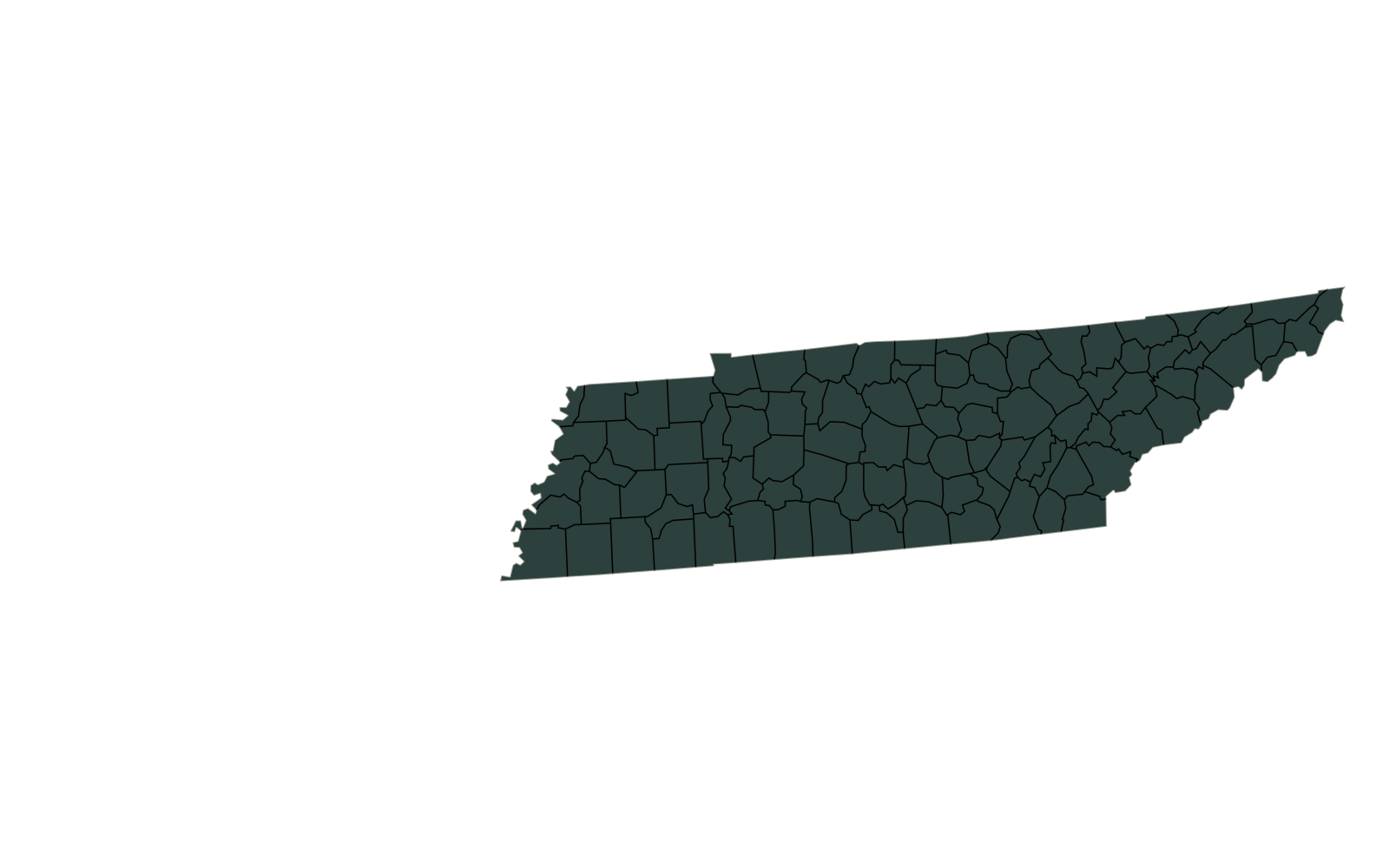
Roll-offs and portable sanitation for sites in Tennessee
For facilities, procurement, and project managers with sites in Tennessee. You get the network, the deliveries, and the state rules that change the buy.
Last reviewed October 27, 2026.
How we work in Tennessee
Local haulers do the work; we hold the contract, own the problems, and send one bill. One agreement can hold roll-off dumpsters, portable toilets, and restroom trailers for every Tennessee site. If you’re weighing us against a single hauler, here’s how a broker, a hauler, and our provider network differ.
See how an order is sourced, priced, dispatched, and billed, or multi-site facilities for a portfolio that crosses more than one state.
The network
The network in Tennessee
At Tennessee job sites, October 26, 2024 through October 26, 2026 · Published figure
Figures are counts of completed deliveries, providers, and accounts in this window from our records, as of October 2026. Roll-off deliveries are containers delivered. Portable toilet deliveries are units placed, not orders. A company that completed both services is counted in both service rows, so those rows are not a split of the provider total. The counts are not a promise that every address is covered. Front-load service, compactors, and balers are not in these counts.
State rules
Tennessee rules a buyer should know
What follows is a buyer’s summary of the Tennessee rules that change the buy. It is not legal advice, so check the current text and the site’s local ordinance before you rely on it.

Where construction debris can go
Tennessee Department of Environment and Conservation rule 0400-11-01 defines construction/demolition wastes as wastes, other than special wastes, from construction, remodeling, repair, and demolition of structures and from road building, including bricks, concrete and other masonry, soil, rock, lumber, road spoils, rebar, and paving material. A Class IV landfill is used for demolition/construction wastes, shredded automotive tires, and certain similar wastes approved in writing by the Department. A Class I landfill may also take construction/demolition wastes. Except where the rule provides otherwise, no facility can lawfully store, process, or dispose of solid waste unless the operator has a permit. One exception is disposal of construction/demolition wastes on the site of generation when the completed fill area is less than one acre. The facility’s permit can be narrower than the rule, and a landfill can refuse a waste the rule would allow. Confirm acceptance with the facility before the haul.
Who may pump a portable toilet
Rule 0400-48-01 defines domestic septage to include liquid or solid material removed from a portable toilet, or from a similar treatment works that receives only domestic sewage. Rule 0400-48-01-.20 says a person engaged in removing and disposing of domestic septage from portable toilets shall obtain an annual permit from the Commissioner. The permit is the pumper’s, not a permit for the customer’s site. The rule does not set how many toilets a crew needs. Construction crew counts under the federal standard are on the OSHA portable toilet requirements guide.
A container on a public road
A container on a city street is that city’s question. On a county road, Tennessee Code Annotated section 54-7-109 charges the chief administrative officer of county highways with supervision of construction, repair, and maintenance. A container on a county road is that county’s question. A state highway right-of-way is a separate permit.
Providers
Run trucks in Tennessee? Start at vendor support; the vendor payment guide covers how and when we pay.
Answers
Common questions
Who permits a dumpster on a Tennessee road?
A container on a city street is that city's question. On a county road, Tennessee Code Annotated section 54-7-109 charges the chief administrative officer of county highways with supervision of construction, repair, and maintenance. A container on a county road is that county's question. A state highway right-of-way is a separate permit.
Where can construction debris from a Tennessee job go?
Tennessee Department of Environment and Conservation rule 0400-11-01 defines construction/demolition wastes as wastes, other than special wastes, from construction, remodeling, repair, and demolition of structures and from road building, including bricks, concrete and other masonry, soil, rock, lumber, road spoils, rebar, and paving material.
Who may pump portable toilets in Tennessee?
Rule 0400-48-01 defines domestic septage to include liquid or solid material removed from a portable toilet, or from a similar treatment works that receives only domestic sewage. Rule 0400-48-01-.20 says a person engaged in removing and disposing of domestic septage from portable toilets shall obtain an annual permit from the Commissioner.
Do Tennessee roll-offs and portable toilets need separate contracts?
No. A single agreement covers the Tennessee sites, and each address can carry its own mix of roll-offs, portable toilets, and restroom trailers. Approved accounts can be offered Net 30, 60, or 90, subject to credit review. Nothing on this page is an offer of credit. See the terms of use.
Talk to us
(888) 588-2607
Send the Tennessee sites
The address list and what each site needs are enough for us to quote the whole Tennessee portfolio together.
Metro pages
Street rules for the metro pages linked below are stated on those pages.
NashvilleMetro pageMemphisCity pageSources
Sources
- Detritus network figures as of October 2026. Definitions are on state coverage.
- Tennessee Rule 0400-11-01. Construction/demolition wastes, Class I and Class IV landfills, the permit requirement, and the on-site fill of less than one acre.
- Tennessee Rule 0400-48-01-.20. An annual permit from the Commissioner is required to remove domestic septage from a portable toilet. Domestic septage includes material removed from a portable toilet.
- Tennessee Code Annotated section 54-7-109, as stated by the County Technical Assistance Service. Supervision of construction, repair, and maintenance of county roads.