Site services for general contractors

A job needs fence before anything is left overnight, restrooms before the first crew arrives and a dumpster the week work starts. Then the list changes every phase. We source those services from local providers in the markets we serve and keep every job on one agreement. Availability varies by market.

  • Every phaseMobilization to closeout
  • One agreementOne job or many
  • Local providersSourced per market
  • Industry
  • Updated November 4, 2026
  • Sources: OSHA, EPA
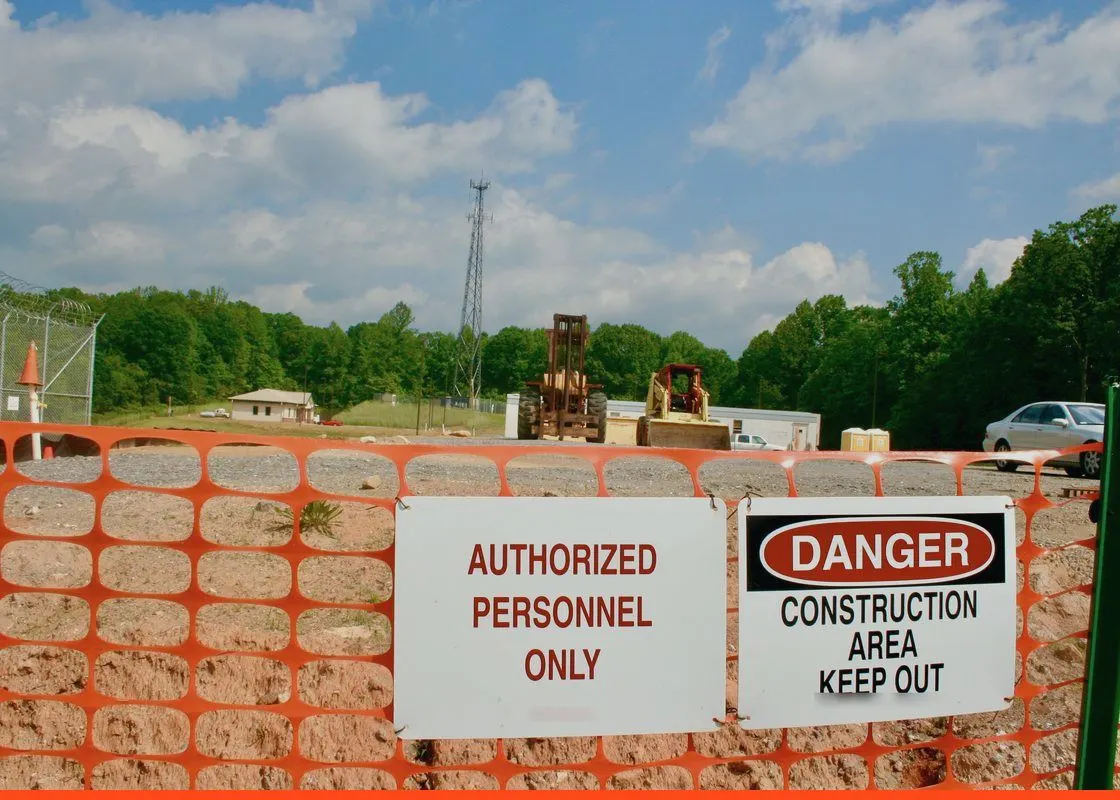
A fenced construction site with safety signs, equipment, an office trailer and portable toilets
Photo: Harrison Keely, CC BY 4.0, cropped and color adjusted, with the sign maker's fine print blurred.

Phase by phase

What a jobsite needs as the building goes up

A typical commercial job runs through these phases. Your scope, schedule and contract set the real list, but the pattern holds: the site gets set up first, and the waste changes as the work moves inside.

  1. Phase 01

    Mobilization

    Fence and gates, an office trailer, the first restrooms and hand wash, and power before work starts.

  2. Phase 02

    Sitework

    Clearing, grading and utilities. Erosion controls go in, track-out is kept off the street, and dirt goes in its own container.

  3. Phase 03

    Foundations and structure

    Concrete pours need a washout. The crew grows, so restroom counts and service frequency go up.

  4. Phase 04

    Enclosure and MEP

    Packaging and offcuts pile up, materials need a dry place, and recycling streams start if the job reports diversion.

  5. Phase 05

    Interiors and finishes

    Drywall, flooring and packaging fill containers fast. Upper floors may need a chute, and dusty work needs control.

  6. Phase 06

    Closeout

    Final cleanup containers, every unit removed, and the weights pulled together if the owner asked for a diversion number.

Running more than one job?

Send us the job list and what each site uses. We source local providers in each market and keep every job on one agreement, with charges by job on one invoice.

The services

What general contractors order, and where to read more

Each line below is sourced from a local provider and goes on the same agreement as the rest.

NeedWhat to ask forRead more
Debris and wasteRoll-offs sized by phase and material, swapped as they fillDumpster rental
Crew restroomsStandard and ADA portable toilets, serviced on a schedulePortable toilet rental
Hand washingHand wash stations beside the restroomsHand wash stations
Site securityTemporary fence, gates and screenTemporary fence
PowerA generator sized to the load, with fuel scheduled, or a temporary service from the utilityTemporary power
Storage and officeGround-level storage containers and an office trailerStorage containers
StormwaterSilt fence, inlet protection, wattles and stabilized entrancesErosion control
Diversion reportingWeights by material from the providers, in one report for LEED or the ownerDiversion reports
Water and fuelDrinking water for crews, bulk water for dust control, and fuel for equipmentWater delivery

Planning the whole site? Start with the site logistics plan template or the general conditions template, and see how a program across many jobs runs on construction site services.

The rules

The rules that shape the site plan

These federal rules come up on almost every commercial job. State and local rules can add to them, so read them for your site with your safety lead.

29 CFR 1926.51(c)

Restrooms by crew size

Toilets are required by headcount: one for 20 or fewer employees, one toilet seat and one urinal per 40 workers above that, and one per 50 at 200 or more. Sites without a sanitary sewer use chemical, recirculating or combustion toilets or privies, unless local codes prohibit them.1 See the OSHA portable toilet guide.

29 CFR 1926.51(a) and (f)

Drinking water and washing

An adequate supply of potable water has to be provided in all places of employment. Where crews apply paints, coatings, herbicides or insecticides, or work with other harmful contaminants, adequate washing facilities have to be near the worksite.1

29 CFR 1926.252

Debris out as the work goes

Scrap lumber, waste material and rubbish have to be removed from the immediate work area as the work progresses. Material dropped more than 20 feet outside the building goes down an enclosed chute, and solvent waste, oily rags and flammable liquids are kept in fire resistant covered containers.2

EPA Construction General Permit

Stormwater from an acre or more

A Clean Water Act permit is required for stormwater discharges from construction that disturbs 1 acre or more, or less than 1 acre when it is part of a common plan of development or sale. EPA's permit covers areas where EPA is the permitting authority, so check which permit applies to your site.3 See SWPPP site services.

If the owner wants LEED credit or a diversion number, set up the containers and the weight tickets before demolition starts. See the LEED waste credit guide and the waste management plan.

How it works with Detritus

One request for every phase

You get one point of contact. Local providers deliver, service and remove the equipment.

  1. You send the job

    The address, the scope, the schedule and what each phase needs. A job list works for several sites.

  2. We source local providers

    We match each address to providers in that market and quote the services together. If a market is too thin for the scope, we say so before we quote.

  3. Delivery

    Providers deliver to the schedule on your order: fence and restrooms first, containers when work starts.

  4. Service and swaps

    Restrooms are serviced and containers swapped as the job moves. If a service is missed, we contact the provider the same business day.

  5. Removal and one bill

    Units come off as phases finish, and charges arrive on one invoice, or split by job.

For a quote

What to tell us

The more of this we have on the first call, the faster the quote.

  • The job address, or the job list for several sites
  • The start date and how long each phase runs
  • Peak crew size, for restroom counts
  • What the debris is in each phase
  • Whether the owner needs diversion reporting
  • Fence lines, gates and where containers can sit
  • Power, water and storage needs

One container for one job? Our brand sites quote and book single orders directly: Dumpster Rental Dogs and Porta Potty Dogs.

Common questions

General contractor questions

What site services does a general contractor need?

Usually dumpsters, portable toilets and hand wash stations, temporary fence, power, storage and an office trailer, plus erosion controls and concrete washout on larger sites. The mix changes by phase.

How many portable toilets does a jobsite need?

OSHA rule 29 CFR 1926.51 sets a minimum by crew size: one toilet for 20 or fewer employees, one toilet seat and one urinal per 40 workers above that, and one per 50 at 200 or more.

Can you handle several jobs in different cities?

Yes. We source local providers in the markets we serve and keep every job on one agreement, with charges by job on one invoice.

Can you help with LEED or diversion reporting?

Yes. We source the containers, collect the weights from the providers and put them in one diversion report.

Does the job need a stormwater permit?

A Clean Water Act permit is required for stormwater discharges from construction that disturbs 1 acre or more, or less than 1 acre as part of a common plan of development or sale. Check whether EPA or your state issues it.

How do I get a quote?

Call sales at (888) 588-2607 or request a quote with the address, the schedule and what each phase needs.

Every phase on one agreement

Local providers do the work. We source them, schedule them with your other site services and send one bill.

Read next

Sources

  1. 29 CFR 1926.51, Sanitation, paragraphs (a), (c) and (f). Checked November 4, 2026. osha.gov
  2. 29 CFR 1926.252, Disposal of waste materials, paragraphs (a), (c) and (e). Checked November 4, 2026. osha.gov
  3. U.S. EPA, Stormwater Discharges from Construction Activities. Checked November 4, 2026. epa.gov