Waste, recycling and site services for healthcare facilities

Hospitals, clinics, senior living and labs make the same everyday trash and cardboard as any large building, plus renovation debris from projects that never really stop. We arrange the general waste, recycling, construction debris and crew facilities from local providers in the markets we serve. Regulated medical waste is handled by licensed medical waste providers; we do not arrange it.

  • Everyday wasteTrash and cardboard
  • ProjectsRenovation roll-offs
  • Not oursMedical waste
  • Industry
  • Updated November 4, 2026
  • Sources: EPA, ICC, OSHA
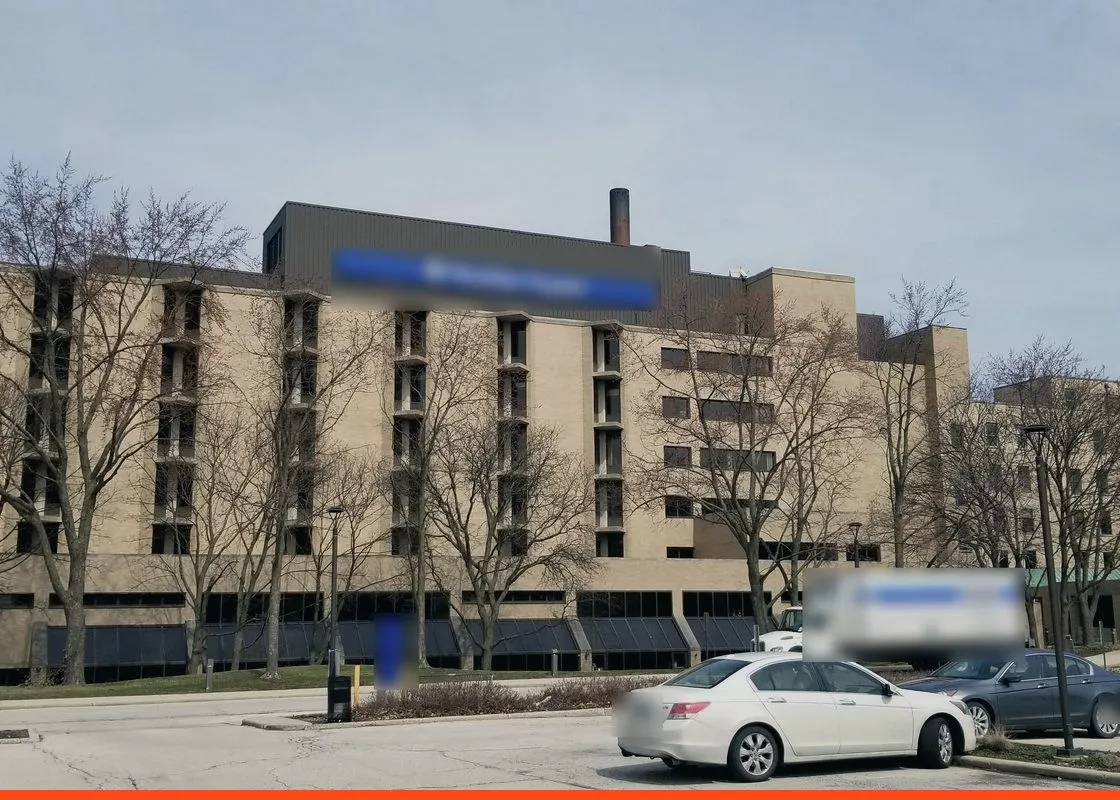
A multi-story hospital building behind bare trees, with a box truck at the entrance and cars in the visitor lot
Photo: Patrick Bray, U.S. Army Corps of Engineers, public domain, cropped and color adjusted, with the hospital sign, truck lettering and license plates blurred.

Where we start and stop

The waste we arrange, and the waste we don't

A healthcare campus runs two kinds of waste side by side. EPA describes medical waste as a subset of the waste from health care facilities that may be contaminated by blood, body fluids or other potentially infectious materials, and says it is primarily regulated by state environmental and health departments.1 That stream stays with your licensed medical waste provider. The rest of the building's waste is where we come in.

What we arrange

General waste, recycling and construction debris

Sourced from local providers, on one agreement and one invoice.

  • General trashFront-load containers or a compactor on a schedule
  • Cardboard and recyclingA baler, a compactor or a dedicated container
  • Renovation and construction debrisRoll-offs with swaps, and chutes on taller buildings
  • Furniture and equipment cleanoutsJunk hauling when a wing or office is cleared out
  • Restrooms and hand wash for crewsPortable units, or a trailer during a plumbing outage

Stays with licensed specialists

Regulated medical waste

Handled by licensed medical waste providers. We do not arrange it.

  • Regulated medical wasteWaste that may be contaminated by blood, body fluids or other potentially infectious materials
  • Sharps and needlesKept in your sharps program
  • Pharmaceutical wasteKept in your pharmaceutical waste program

None of these belong in a dumpster, compactor or roll-off we arrange. Keep them out of the general waste stream and with the provider your facility already uses.

The services

What a healthcare facility usually orders

Local providers do the work; we hold the contract, own the problems, and send one bill. Availability varies by market.

NeedWhat to ask forRead more
Everyday trashFront-load containers or a compactor, picked up on a scheduleCommercial dumpsters and compactors
Cardboard from deliveriesA baler or a dedicated cardboard container at the dockBaler vs compactor
Dock compactorCompactor hauls, and a backup roll-off while a broken machine is repairedCompactors and balers
The enclosureContainers that fit the screened enclosure and the fire code distance from the buildingEnclosure requirements
Renovation debrisRoll-offs with swaps tied to the project scheduleDumpster rental
Upper floor workAn enclosed debris chute into the containerTrash chutes
Crew facilitiesPortable restrooms and hand wash stations for the contractor's crewPortable toilets
A plumbing outageA restroom trailer with sinks and flushing toiletsEmergency restrooms

Reporting on sustainability? Ask us for waste data by site for the containers and compactors we arrange: tons by stream, tons diverted and tons landfilled, from hauler and facility tickets. See ESG waste reporting.

By area

Typical needs around a campus

General guidance on where each kind of service usually sits. Your facility's layout, your local code and your own policies decide the details.

AreaTypical needWorth asking about
Loading dockA compactor for trash and a baler or container for cardboardWhat happens when the compactor is down
EnclosureFront-load containers for trash and recyclingPickup days that keep lids closing and the pad clear
Renovation wingRoll-offs, a chute on upper floors, swaps on a scheduleDelivery routes and hours your project team sets
Construction stagingCrew restrooms, hand wash stations, fencing and storagePlacement away from patient and visitor paths
Clinics and outpatient sitesA smaller front-load container or cartsSeveral sites on one agreement and one invoice
Patient care areasRegulated medical waste, sharps and pharmaceutical wasteYour licensed medical waste provider, not us
  1. 01

    Odor follows frequency

    A container that overflows between pickups is where odor starts. Match pickup days to how fast the container fills, and add a pickup before it overflows.

  2. 02

    Pests follow open lids

    Lids that will not close and bags left beside the container draw pests. The fix is usually more capacity or more pickups, not a bigger pad.

  3. 03

    Cardboard out of the trash

    Boxes in the trash container fill it fast. A baler or a cardboard container frees up room and gives you a recycling stream to report.

  4. 04

    One call when it goes wrong

    Call us about a missed pickup or a full container, and we contact the local provider. Ask us how pickups are scheduled in your market.

Several buildings, several haulers?

Send the site list and what each uses today. We source local providers and put the general waste and recycling on one agreement and one invoice.

Renovation on a live campus

Construction where patients and visitors still come and go

Renovation inside an operating facility runs under the owner's infection control plan and the contractor's site logistics plan. Those plans are yours and your contractor's. We arrange the containers, restrooms and fencing they call for.

  1. Start from your plan

    Send the parts of the plan that touch site services: where containers can sit, the delivery route, the hours trucks can come and any barriers.

  2. Containers sized to the work

    Roll-offs sized to the debris, with a chute on upper floors so material is not carried through occupied space.

  3. Facilities for the crew

    Portable restrooms and hand wash stations in the staging area, so the crew is not using the building's restrooms.

  4. Swaps on your schedule

    Call us to schedule a swap when a container is full, within the hours the plan allows.

For the planning documents themselves, see the site logistics plan template and the construction waste management plan guide.

The rules

What the primary sources say

Three sets of rules come up most. Read them for your facility, and check which edition your state or city has adopted.

U.S. EPA

What medical waste is, and who regulates it

EPA calls medical waste a subset of the waste from health care facilities, such as hospitals, doctors' offices, dental practices, blood banks, veterinary clinics and research labs. It says medical waste is primarily regulated by state environmental and health departments.1

IFC 2024, 304.3.5

Five feet from combustible walls

Dumpsters and containers of 1.5 cubic yards or more cannot be stored in buildings or placed within 5 feet of combustible walls, openings or combustible roof eave lines, with exceptions for sprinkler protected areas and dedicated noncombustible structures.2 See enclosure requirements.

29 CFR 1926.51(c)

Toilets for the construction crew

On construction work, the minimum is one toilet for 20 employees or less, then one toilet seat and one urinal per 40 workers at 20 or more.3 See the OSHA portable toilet guide.

29 CFR 1926.51(f)

Washing where contaminants are harmful

Washing facilities are required for crews applying paints, coatings, herbicides or insecticides, or in other operations where contaminants may be harmful, in near proximity to the worksite.3 See hand wash stations.

How it works with Detritus

One request for the building and the project

You get one point of contact. A local provider delivers, services and removes the equipment.

  1. You send the sites and the scope

    Each address, what it uses today, and any project with its dates.

  2. We source local providers

    A provider in each market for the containers, compactor hauls, roll-offs and crew facilities. Availability varies by market.

  3. Delivery

    Containers and units are set where your plan puts them.

  4. Service and removal

    Pickups run on schedule, swaps when you call, and project equipment is removed when the work is done.

  5. One invoice

    Charges by site on one invoice, which can be split by entity, region or cost center.

For a quote

What to tell us

The more of this we have on the first call, the faster the quote.

  • Each address, and the type of facility
  • What each site uses today: containers, a compactor, a baler
  • How often each container is picked up now
  • Any renovation or construction project, with dates
  • Where containers and units can sit, and the delivery hours
  • How you want the invoice split

Common questions

Healthcare facility questions

Do you handle regulated medical waste?

No. Regulated medical waste is handled by licensed medical waste providers; we do not arrange it. The same goes for sharps and pharmaceutical waste. We arrange general trash, recycling and construction debris.

What is medical waste?

EPA describes medical waste as a subset of the waste from health care facilities that may be contaminated by blood, body fluids or other potentially infectious materials. It says medical waste is primarily regulated by state environmental and health departments.

What waste services does a hospital or clinic need from you?

Usually everyday trash on a schedule, cardboard handled by a baler or a container, roll-offs for renovation projects, and restrooms and hand wash stations for construction crews.

Do you provide infection control for renovation?

No. Infection control is the owner's plan, carried out with the contractor. We arrange the containers, restrooms and fencing the plan calls for and schedule delivery and swaps around it.

How do we cut odor and pests at the dumpster?

Usually with service frequency: pickups often enough that lids close and nothing sits beside the container, and cardboard moved to its own baler or container.

How do I get a quote?

Call sales at (888) 588-2607 or request a quote with the addresses, what each site uses today and any project dates.

General waste and projects, on one bill

Local providers do the work. We source them, keep the service record and send one invoice. Medical waste stays with your licensed provider.

Read next

Sources

  1. U.S. EPA, Medical Waste (last updated April 20, 2026): the definition of medical waste, the facilities that generate it and state regulation. Checked November 4, 2026. epa.gov
  2. International Fire Code 2024, Section 304.3.5, as published for the U.S. General Services Administration. Checked November 4, 2026. up.codes
  3. 29 CFR 1926.51, Sanitation, paragraphs (c) and (f). Checked November 4, 2026. osha.gov