Waste and compactors for manufacturing and distribution
Plants and distribution centers make a steady flow of cardboard, pallets, packaging and process waste, and they run on dock schedules. We set up compactors, balers and roll-offs at the dock, schedule pickups around your shifts and send one invoice across sites, with local providers doing the work at each one.
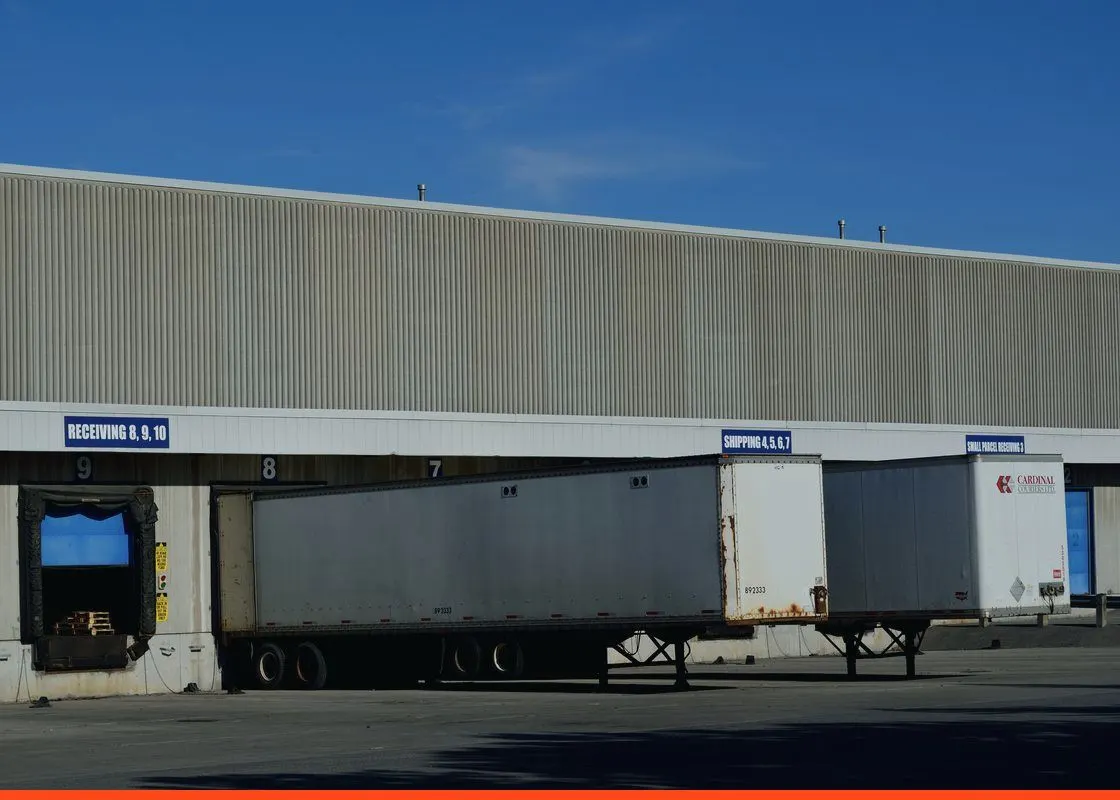
- DockCompactors and balers
- PalletsRoll-offs and swaps
- SitesOne invoice
Your account executive for commercial dumpsters and compactors
Keith Bonneau
Account Executive, commercial dumpsters and compactors
Talk to Keith about front-load containers, compactors and balers, and recurring service for your sites.
See all commercial dumpster and compactor resources
Reporting on ESG or sustainability? Ask Keith for waste data by site: tons by stream, tons diverted and tons landfilled, from hauler and facility tickets. ESG waste reporting
At the dock
What a plant or warehouse usually needs
Equipment at the dock does most of the work. The rest is scheduling.
| Need | What we set up | Related |
|---|---|---|
| Cardboard and packaging | Balers or compactors at the dock, with pickup when full | Compactors and balers |
| General trash | Stationary or self-contained compactors, or front-load service | Commercial dumpsters and compactors |
| Pallets and bulk material | Roll-offs on swap schedules | Dumpster rental |
| Multi-site programs | One agreement and invoice across plants | Multi-site facilities |
Compactors and balers have their own safety rules. OSHA's bulletin on them lists the applicable standards, including confined spaces, lockout and tagout and machine guarding, and refers to the ANSI Z245 standards for compactors and balers.1
Dock schedule driving the service?
Tell us the sites, the equipment and the pickup windows. We source local providers and keep one agreement.
Hazardous waste
Know your generator category
Manufacturers often produce some hazardous waste, and the rules depend on how much you generate each month. Under federal rules, a very small quantity generator produces 100 kilograms or less of non-acute hazardous waste per month, a small quantity generator more than 100 and less than 1,000 kilograms, and a large quantity generator 1,000 kilograms or more.2 Federal universal waste covers batteries, pesticides, mercury-containing equipment, lamps and aerosol cans.3 Your state may differ, so confirm your category with your environmental team. Ask every hauler which streams it accepts before you send anything.
Across plants
What changes with one agreement
The same standards and one invoice at every plant and warehouse.
- 01
Spend by site
One invoice that shows each location.
- 02
One call
Plant managers call us, and we contact the local provider the same business day.
- 03
Matched schedules
Pickups tied to your shifts and dock times.
- 04
Room to grow
Add a site or a stream without a new vendor search.
Common questions
Manufacturing and distribution questions
What waste services do manufacturers and distributors need?
Compactors and balers at the dock, roll-offs for pallets and bulk material, recurring trash service, and a program that covers every site.
Should we use a compactor or a baler?
Balers are for cardboard and similar recyclables, and compactors are for mixed trash. Many docks use both.
What is a very small quantity generator?
Under federal rules, a generator of 100 kilograms or less of non-acute hazardous waste per month. Small and large quantity generators produce more.
What is universal waste?
A federal category that includes batteries, pesticides, mercury-containing equipment, lamps and aerosol cans, with its own handling rules.
Can you handle hazardous waste?
Ask us what applies to your streams. Hazardous waste needs a hauler permitted for it, so we confirm with providers before sending anything.
How do I get a quote?
Call Keith at (978) 612-6647 or request a quote with the sites and equipment.
One agreement for every plant
Local providers do the work; we hold the contract, own the problems, and send one bill. If a pickup gets missed, we contact the provider the same business day.
Read next