Waste and cardboard recycling for retailers
Every freight delivery leaves a retail backroom stacked with corrugated boxes, alongside daily breakroom and floor trash, holiday volume surges, and periodic fixture resets. When every storefront sits on a different local hauler's contract, store managers burn hours chasing missed pickups and AP drowns in separate bills. We set up containers, compactors, and balers by store, dispatch remodel roll-offs on your construction calendar, and put the entire chain on one store-coded invoice.
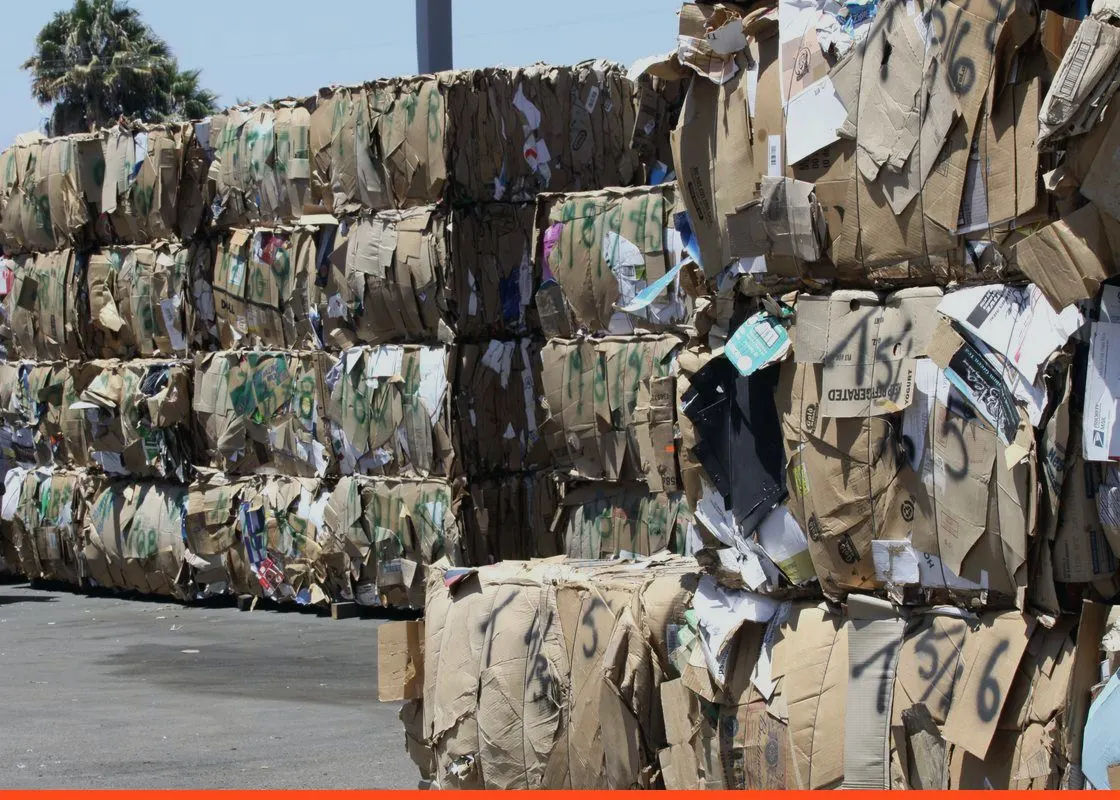
- CardboardBaled or compacted
- TrashFront-load or compactor
- RemodelsRoll-offs on schedule
Your account executive for commercial dumpsters and compactors
Keith Bonneau
Account Executive, commercial dumpsters and compactors
Talk to Keith about front-load containers, compactors and balers, and recurring service for your stores.
See all commercial dumpster and compactor resources
Reporting on ESG or sustainability? Ask Keith for waste data by store: tons by stream, tons diverted, and tons landfilled from hauler and facility tickets. ESG waste reporting
Backroom flow
Pulling cardboard out of the trash stream comes first
Unbroken corrugated boxes eat up front-load dumpster capacity faster than anything else in retail, forcing extra weekly trash hauls when the enclosure overflows. Corrugated is also the easiest stream to divert: EPA reported a 96.5 percent national recycling rate for corrugated boxes in 2018, with roughly 32.1 million tons recovered out of 33.3 million tons generated.1 Keeping clean OCC out of general trash frees up corral room even at small-format inline stores.
Choosing between a vertical backroom baler, a dedicated front-load cardboard bin, or a dock compactor comes down to weekly freight volume, receiving-room floor space, and landlord enclosure rules; our baler vs compactor guide compares those tradeoffs side by side. Where stores operate balers or compactors in the stockroom, OSHA's safety bulletin on baling and compacting equipment highlights required machine guarding, lockout and tagout procedures, and ANSI Z245 safety standards, along with federal age restrictions on operating or loading compactors and balers.2
Running stores across multiple markets?
Send your store list and what each location runs today. We line up vetted local haulers and roll every store onto one itemized invoice.
Store-level setup
Matching equipment to inline storefronts and big-box docks
Strip-center inline shops, pad sites, and big-box anchors have very different back-of-house footprints, so we right-size containers and pickup days store by store.
| Need | What we set up | Related |
|---|---|---|
| Daily store trash | Scheduled front-load, rear-load, or compactor collection timed to clear corrals before weekend foot traffic | Commercial dumpsters and compactors |
| Corrugated cardboard | Vertical balers with bale pickups or dedicated OCC recycling containers matched to freight delivery days | Compactors and balers |
| Store remodels and fixture resets | Open-top roll-off dumpsters delivered and swapped inside overnight work windows or landlord staging rules | Dumpster rental |
| Fourth-quarter and promotional peaks | Temporary extra pickups or seasonal overflow containers during holiday inventory pushes and store openings | Front-load vs roll-off |
Store operations
What changes under one retail waste agreement
Keep store managers focused on customers and merchandising while facilities and AP get clean visibility across every district.
- 01
Store-coded invoicing
Compare spend by store number, district, or brand on one consolidated bill without keying in dozens of local hauler statements.
- 02
One dispatch number for store teams
When a driver misses a shared corral or a lock bar jams, store managers call us once and we escalate with the local hauler that same business day.
- 03
Standardized terms and reporting
Eliminate staggered local auto-renewals and track trash and cardboard tonnage across your footprint from one account.
- 04
New store openings and dark-store exits
Have construction roll-offs on site for buildout, flip smoothly to permanent front-load service before grand opening, and shut down service cleanly on lease exits.
Common questions
Retailer questions
What waste and recycling services do multi-unit retailers need?
Most retail chains combine scheduled front-load or compactor trash service with dedicated cardboard balers or OCC containers, on-call roll-off dumpsters for store remodels and fixture resets, and seasonal extra pickups during holiday freight surges.
Should a retail store use a cardboard baler or a trash compactor?
That depends on backroom floor space, dock layout, and box volume. Vertical balers compress clean corrugated cardboard in the receiving room so bales stack neatly on pallets, whereas stationary or self-contained compactors crush high-volume mixed store trash at the loading dock. Anchor stores frequently run both.
Does separating cardboard cut store trash costs?
Usually yes, because unbroken or loosely flattened shipping boxes fill front-load trash bins with air and trigger extra weekly pickups. Pulling corrugated into its own container or baler shrinks general trash volume and feeds an established recycling market, where EPA reported a 96.5 percent corrugated recovery rate in 2018.
What OSHA safety rules apply to backroom balers and compactors?
OSHA's safety bulletin on baling and compacting equipment highlights machine guarding, lockout and tagout procedures during jam clearing or maintenance, discharge-door lock inspections, and ANSI Z245 equipment standards. Store operators must also enforce federal youth-employment rules restricting minors from loading or operating balers and compactors.
Can you manage stores across different cities and states on one bill?
Yes. We dispatch vetted local haulers in each retail market while holding one master agreement and sending one consolidated invoice coded by store number, district, or legal entity.
How do we price a multi-store waste program?
Call Keith Bonneau at (978) 612-6647 or submit a quote request with your store addresses, current container or compactor setups, and pickup frequencies.
One waste agreement across every storefront
Local haulers run the routes while we hold the contract, resolve missed pickups the same business day, and bill cleanly by store number.