By weight
Every haul is weighed
The receiving yard weighs the load. Ask for the weight record for each haul and keep it with the job. If you need diversion numbers, diversion reports keep the weights by stream.
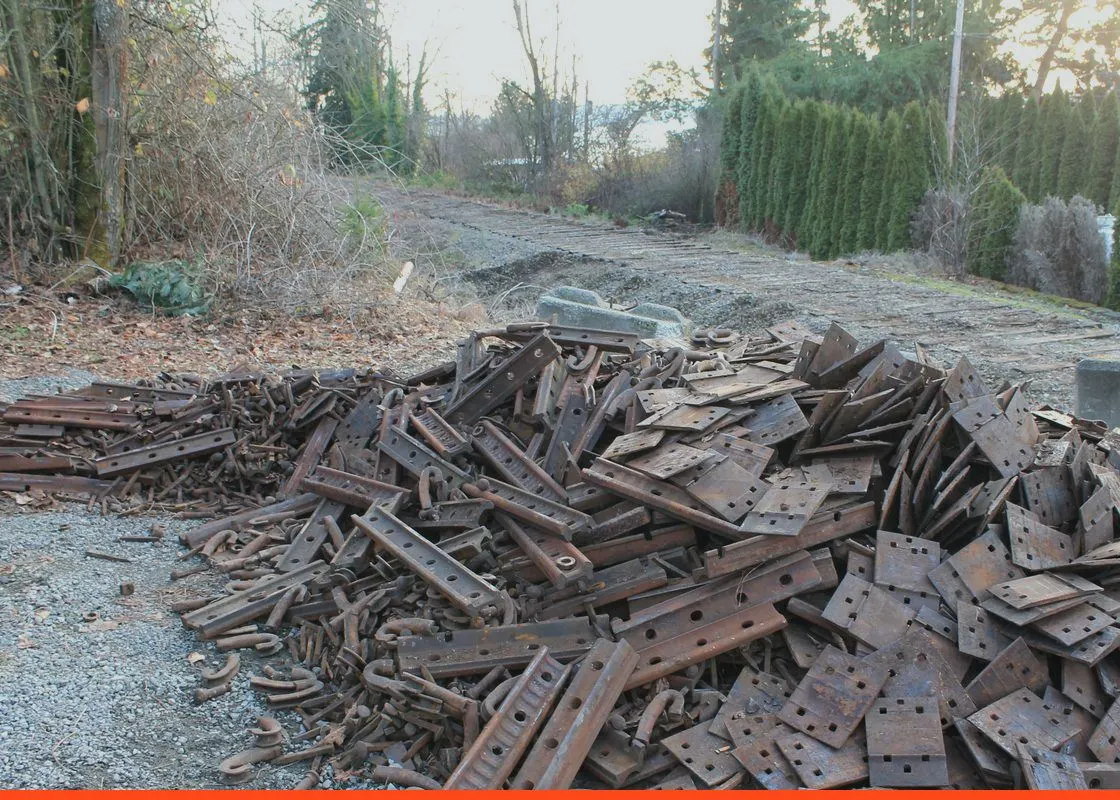
Metal is the job site stream most likely to be worth something. EPA calls metals, including steel, copper and brass, valuable commodities to recycle.1 Keep it out of the trash box, sort what you can, and hold back refrigerant appliances, batteries and closed tanks until they are dealt with.
Why it is its own stream
Metal mixed into a debris box is weighed and billed like the rest of the load. Pulled out and sorted, it can go to a recycler instead. A magnet sorts most of it: it sticks to steel and iron, not to aluminum, copper or brass.
On the job
Metal coming out
Demolition, reroofs, mechanical and electrical work, cleanouts and fit-outs.
The bulk of most jobs. Heavy pieces such as plate, beams and rebar pack far more weight into a yard than loose scrap.
Smaller amounts, kept apart from steel. Ask the recycler how it wants wire and mixed pieces sorted.
Not scrap until something is done to them. See keep it out.
Which container
A few pieces can ride with the debris. A steady flow of metal deserves its own box.
Scrap metal can go in a roll-off. In a mixed load it is weighed and billed as debris along with everything else.
Clean metal can go for recycling. On a job that separates streams, metal usually goes in a roll-off or a cage. See construction recycling.
Appliances that still hold refrigerant, batteries, and closed tanks or containers. Each has its own route.
Our guide to what can go in a dumpster lists scrap metal as a yes, and fridges, freezers and window air conditioners as ask first.
How big
Loose scrap is mostly air between the pieces. EPA's loose averages show it, though solid steel can run far heavier.
| Material | EPA loose weight | A full 20 yard |
|---|---|---|
| Ferrous metal, loose | 225 lb a cu yd | About 2.3 tons |
| Non-ferrous metal, loose | 225 lb a cu yd | About 2.3 tons |
| Major appliances | 145 lb a cu yd | About 1.5 tons |
| HVAC ducting | 47 lb a cu yd | About 0.5 tons |
Loose weights from EPA's construction and demolition table.2 Full-container figures are the container's yards times those weights. A load heavy in rebar, plate, beams or cast iron weighs much more than these averages, so describe the mix when you order. Limits vary by hauler and market, so confirm the tons included in writing. See the dumpster size guide and the dumpster weight limits guide.
Tickets and value
Metal is bought and sold by weight. What a load is worth, if anything, is not fixed, so we do not quote it here.
By weight
The receiving yard weighs the load. Ask for the weight record for each haul and keep it with the job. If you need diversion numbers, diversion reports keep the weights by stream.
By grade
A recycler looks at what kind of metal it is and how clean it is. Steel mixed with copper, or metal mixed with trash, is harder to grade. Ask your recycler how it wants loads sorted.
By market
Scrap metal often has value, but what a recycler pays changes with the market, the grade and the amount. Whether a credit applies depends on the provider and the market. Ask before you order rather than counting on one.
By the rules
A scrap recycler taking a fridge or window unit must make sure the refrigerant was recovered, and may ask for a signed statement. See the rules.
Prep and loading
Crews separate when the container is close. Move it as the work moves.
Metal only. A clear sign at the container cuts down on trash in the load.
Keep a bin or bucket for copper, brass and aluminum so it does not get lost in the steel.
Refrigerant recovered, batteries out, tanks and containers empty and open, fluids drained.
Lay rebar, pipe and roofing panels lengthwise, below the fill line. Nothing should stick out over the sides.
Ask for a weight record for each haul, especially if the project reports diversion.
Keep it out
These are metal, or look like it, but each needs something done first. The recycler has the final say, and state rules can be stricter.
The rules
Federal rules set the floor. States, cities and the recycler can add to them.
40 CFR 82, Subpart F
EPA's Section 608 safe disposal rules name household refrigerators and freezers and window air conditioners as equipment that typically reaches the waste stream with its refrigerant still in it. The final person in the disposal chain, such as a scrap metal recycler or landfill owner, must make sure the refrigerant is recovered.3
40 CFR 82.155
The final processor verifies recovery with a signed statement or contract. A signed statement must include the name and address of the person who recovered the refrigerant and the date it was recovered.4
U.S. EPA
EPA links an increase in fires at recycling and waste facilities to lithium-ion batteries, and says they should go to separate recycling or household hazardous waste collection points.5
40 CFR 258.28
Municipal solid waste landfills cannot take bulk liquid waste, or containers holding liquid waste unless they are small household-size containers or household waste.6
How it works with Detritus
Send one request. We source containers from local providers in the markets we serve, schedule the swaps and keep the weights by stream. Availability varies by market. Whether a metal-only container or a credit is available depends on the market, so ask us where a local program exists.
Decide
| Your situation | What to do |
|---|---|
| A few pieces of metal in a remodel | Let them ride in the mixed debris box |
| A metal roof, siding or ductwork coming off | A metal-only container, kept clean |
| Demolition with structural steel or rebar | Describe the heavy pieces so the container and tons included match |
| Copper pipe and wire from mechanical work | Keep it apart from steel in its own bin |
| Appliances in a cleanout | Refrigerant recovered and documented first, then scrap. See junk hauling and cleanouts |
| A LEED or waste plan project | Metal as its own stream with weights per haul. See diversion reports |
Common questions
Yes. Scrap metal can go in a roll-off. A metal-only container keeps it clean for recycling, while metal in a mixed box is weighed and billed as debris.
Sometimes. Scrap metal often has value, but it changes with the market, the grade and the amount, and whether a credit applies depends on the provider. Ask before you order rather than counting on one.
Only after the refrigerant has been recovered. Federal rules make the final party in the disposal chain responsible for that, with a signed statement, so ask before you load one.
Start with a magnet. It sticks to steel and iron, not to aluminum, copper or brass. Keep the non-ferrous metal apart, and keep trash out of both.
Appliances that still hold refrigerant, batteries, and tanks, cylinders or containers that may hold liquid or gas. Ask the recycler about anything with fluids inside.
EPA puts loose ferrous and non-ferrous scrap at about 225 pounds per cubic yard, so a full 20 yard is about 2.3 tons. Heavy pieces such as rebar and plate weigh much more.
Call sales at (888) 588-2607 or request a quote with the address, what the metal is, roughly how much and the dates.
Tell us what it is and how much. Local providers do the work; we hold the contract, own the problems, and send one bill.
Related guides
Sources