CGP Part 2.3.4
Leak-proof, and sized for rain
Direct wash water into a leak-proof container or a leak-proof, lined pit designed so it cannot overflow because it is too small or because of rain.1
Every pour leaves chutes, pumps and tools to rinse, and the rinse water cannot go on the ground or into a drain. We source washout containers from local providers in the markets we serve, schedule delivery around your pours and arrange service and removal. Availability varies by market.
What it is
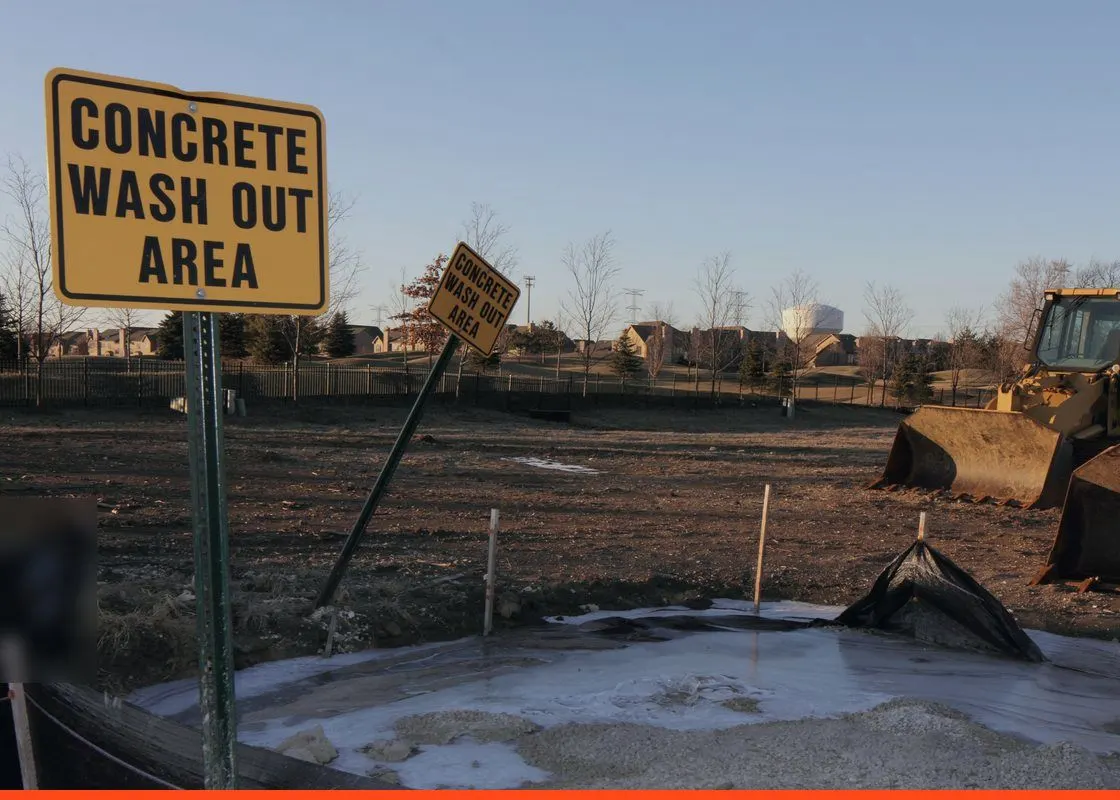
A washout is a leak-proof container or a lined pit where drivers and crews rinse chutes, pump hoppers and tools. The water evaporates or is pumped out, and the hardened concrete is hauled away.
The rules, the setups and where to put one are covered in depth in our concrete washout guide.
Common washout setups
When a job needs it
If concrete, mortar or stucco is mixed or poured on site, something has to be rinsed.
Truck chutes have to be rinsed before the concrete left on them hardens.
Pump hoppers sit low, so the washout has to be one the pump can reach.
The permit rule covers wash water from stucco, paint, concrete and similar materials too.
Washouts belong as far as possible from inlets, ditches and water.
The rules
EPA's 2022 Construction General Permit applies where EPA is the permitting authority. Most states run their own permits with similar rules, so check yours. EPA's fact sheet adds practical guidance.
CGP Part 2.3.4
Direct wash water into a leak-proof container or a leak-proof, lined pit designed so it cannot overflow because it is too small or because of rain.1
CGP Part 2.3.4
Do not dump liquid washout waste into drainage features, storm inlets or receiving waters, or dispose of it by infiltration or on the ground. Follow state, tribal or local rules for disposal.1
CGP Part 2.3.4
Put washouts as far as possible from receiving waters, drainage features and storm drain inlets, and where feasible designate washout areas and use only those.1
EPA 833-F-11-006
EPA's fact sheet recommends inspecting washouts daily and after heavy rain, removing water before a container is more than 75 percent full, lowering or covering it before heavy rain, and keeping it at least 50 feet from storm drains, open ditches and waterbodies. It also notes a standard roll-off is not watertight.2
Hardened concrete from the washout is handled like your other construction waste, and it can be crushed and recycled. See concrete disposal.
Send the pour dates, the address and how many trucks you expect. We source the container and its service.
The options
EPA's fact sheet describes several ways to catch the rinse water. The pour schedule and the trucks decide which one fits.
| Setup | How it works | Usually fits |
|---|---|---|
| Metal washout container | A watertight bin, swapped or pumped out by the provider, with the solids hauled for disposal or recycling | Sites with repeated pours, and pump trucks if it has a ramp |
| Portable washout container | A portable, reusable container, often with a filter bag that lifts out the solids | Smaller sites and short pour schedules |
| Lined pit | Bales or berms with a plastic liner, built on site | Sites with room, where the pit can be kept intact and relined |
| Truck-mounted washout | A box or bucket on the ready-mix truck catches the rinse, which goes back to the plant | Pours where the concrete supplier offers it |
A standard roll-off is not a washout container. EPA's fact sheet shows rinse water leaking from one.
How it works with Detritus
You get one point of contact. A local provider delivers, services and removes the container.
The address, the pour dates and the trucks and pumps you expect.
A washout container sized to the work, quoted with your other site services.
Set where the trucks can reach it and away from drains.
The water is pumped out or the container is swapped before it gets too full. Call us to schedule service.
The provider hauls the container and the hardened concrete when the pours are done.
For a quote
The pour schedule drives the size and the service. Send what you have.
Common questions
Not for the rinse water. A standard roll-off is not watertight, and EPA's concrete washout fact sheet shows wash water leaking from one. Use a container built for washout.
Under EPA's construction permit, wash water goes into a leak-proof container or a leak-proof lined pit that will not overflow, as far as possible from receiving waters, drainage features and storm drain inlets.
It depends on the pours. EPA's fact sheet recommends inspecting daily and after heavy rain, and removing the water before the container is more than 75 percent full.
Close enough to the pour for the trucks, and as far as possible from storm drains, ditches and water. EPA's fact sheet says not within 50 feet of storm drains, open ditches or waterbodies.
It is removed and handled like your other construction waste. It can be crushed and recycled as aggregate where a recycler takes it.
Call sales at (888) 588-2607 or request a quote with the address, the pour dates and how many trucks you expect.
Local providers do the work. We source them, schedule them with your other site services and send one bill.