Construction recycling, sorted at the source
Recycling on a job site works when the right container is in the right place, and when every stream has somewhere to go. We source separate roll-offs, cages and bins for the materials your project produces, schedule the swaps and keep the weights, so the recycling shows up in the numbers.
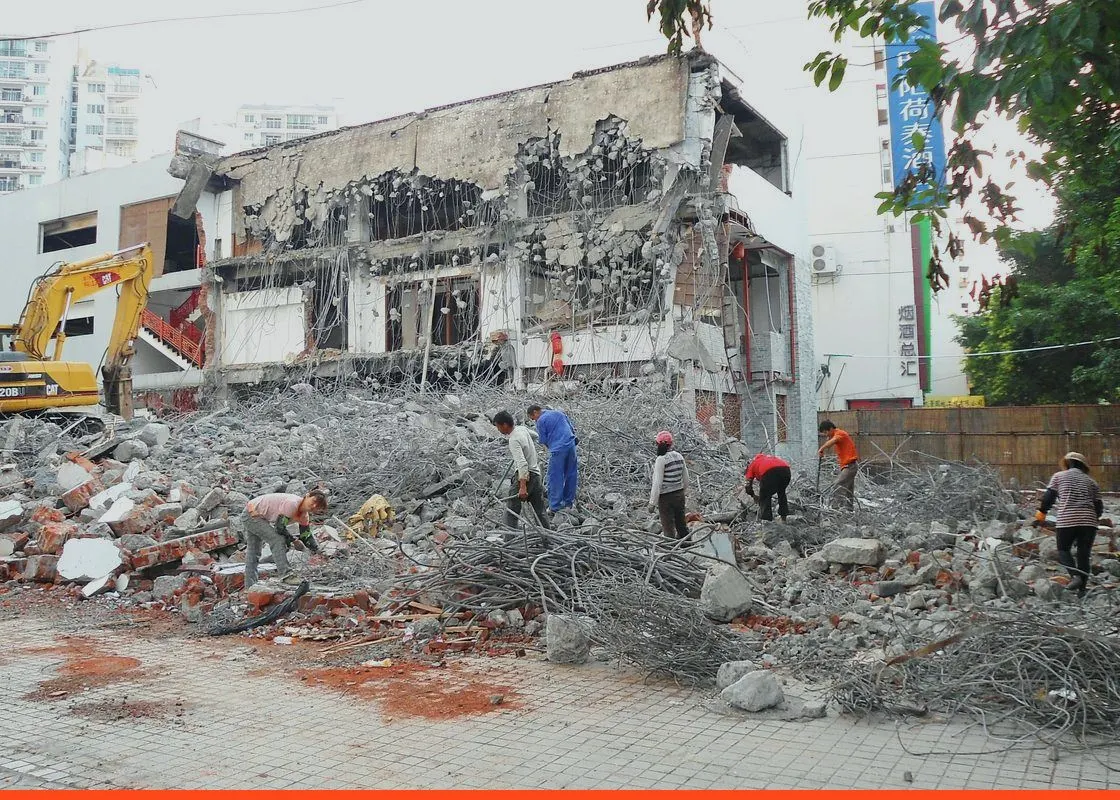
- WoodPallets and framing
- MetalScrap and conduit
- ConcreteRubble and masonry
Streams
Common streams and containers
What you separate depends on the project. These are the streams we most often set up, with the container that usually fits.
| Stream | Typical container | Planning note |
|---|---|---|
| Wood | Roll-off or open top | Clean and painted wood can go to different places, so say which |
| Metal | Roll-off or cage | Scrap metal often has value, so ask about credits for it |
| Cardboard | Cage, front-load or baler | Keep it dry and flat. See our baler guide |
| Concrete and masonry | Heavy-duty roll-off | Weight limits apply. See concrete disposal |
| Drywall and mixed debris | Roll-off | Check what the local facility accepts |
| Soil | Roll-off or hauling | Usually excluded from diversion counts. See dirt dumpster |
Planning the containers?
Send us the project schedule and the streams. We place the containers where the work happens and schedule swaps with the phases.
Why sorting matters
Sorting changes what counts
How you separate material affects how it is counted toward LEED. In v5, source separated material counts as 100% diverted, while mixed construction debris uses the processing facility's average recycling rate, and a rate that is not verified by a third party is assumed to be at most 35%.1
- 01
Put containers by the work
Crews separate when the container is close. Move containers as phases move.
- 02
Label every container
A clear label for each stream cuts contamination. Contamination can turn a recycling load into trash.
- 03
Plan swaps with the schedule
Demolition and finishes fill containers at different speeds. We schedule swaps to match.
- 04
Track the weights
Ask for a weight record per haul. Our diversion reports put them in one place.
Common questions
Construction recycling questions
What is construction recycling?
Separating job site debris into streams such as wood, metal, cardboard and concrete, and sending each stream to a recycler or processor instead of the landfill.
Is commingled recycling the same as sorting at the source?
No. Commingled loads go to a facility that sorts them. In LEED v5, mixed construction debris takes the facility's average recycling rate, and source separated streams count as 100% diverted.
How many containers do I need?
It depends on the streams and the volume. Tell us the project and the phases and we will recommend a layout.
Can concrete be recycled?
Often yes, and it is heavy, so use a container rated for the weight. Our concrete disposal guide covers weight limits.
Do you provide recycling reports?
Yes. See diversion reports for what the report lists.
What does it cost?
It depends on the streams, the market and the schedule. Request a quote and we will list every line.
Sorted containers and one invoice
Local providers do the work; we hold the contract, own the problems, and send one bill. If a pickup gets missed, we contact the provider the same business day.
Read next
Sources
- U.S. Green Building Council, LEED v5 Building Design and Construction rating system, July 2026, MRc5 Construction and Demolition Waste Diversion. Checked November 3, 2026. usgbc.org