Diversion reports for LEED and waste plans
A diversion report shows how much of your job site debris was recycled or reused instead of landfilled, broken out by material, with the weights behind each number. We source the containers, collect the weights from the providers and put it in one report, so a LEED submittal or a waste plan has records to point to.
- By streamWood, metal, concrete, mixed
- By weightFrom scale tickets
- By monthA running tally
What the report shows
What a diversion report lists
The format follows what a LEED final report and a waste management plan ask for: the streams, where each went and what it weighed.1
| Section | What it lists | Why it matters |
|---|---|---|
| Material streams | Each stream you separated, such as wood, metal, cardboard, concrete and mixed debris | Credits count streams as well as percentages |
| Destination | Where each stream was taken, recycler, processor or disposal site | Shows what was diverted and what was not |
| Weights | Weight per haul and per stream, from scale tickets | Calculations are by weight or volume |
| Diversion rate | Diverted weight divided by total weight, by month and to date | Tells you early if you will meet the target |
| Documentation | Copies of the weight records | The proof behind each number |
Need a report for a LEED project?
Tell us the project and the credit version. We set up the containers by stream and give you a monthly report.
How it works
From first container to final report
We handle the sourcing and collection of records, and you review each month.
- 01
Agree the streams
We match the streams in your waste plan to containers and local recyclers in the project market.
- 02
Collect the weights
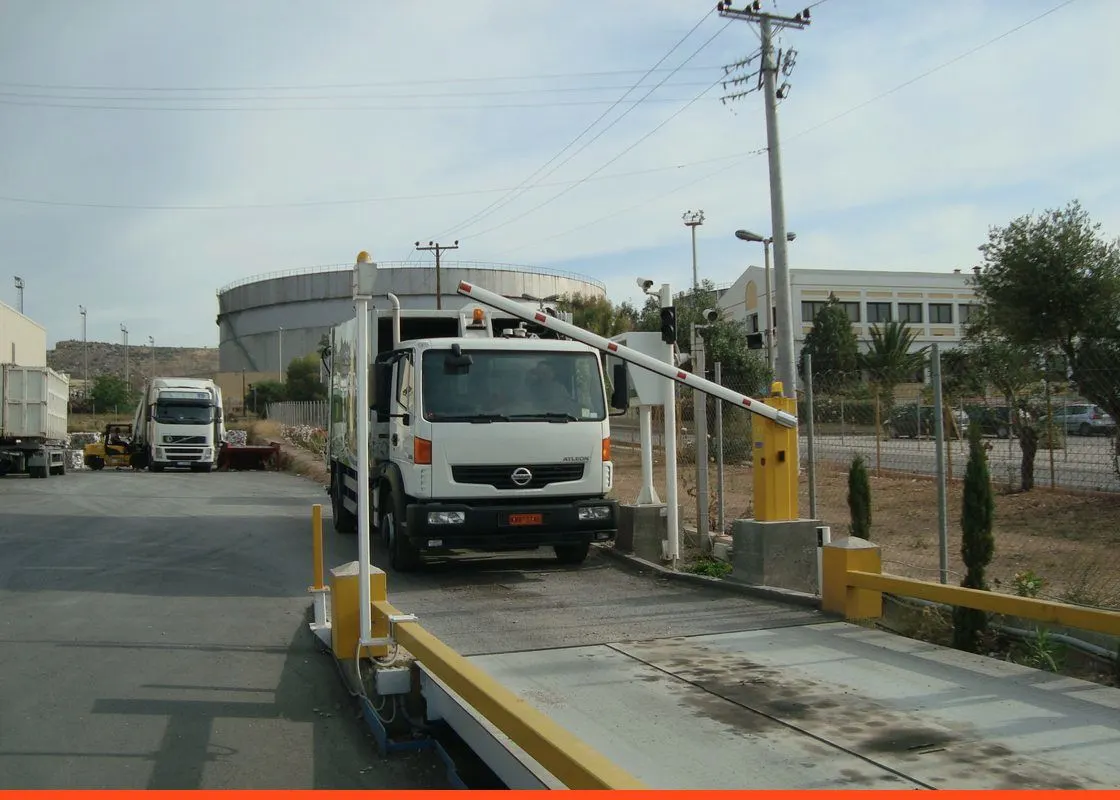
Each provider supplies scale tickets or weight records per haul. We keep them with the stream they belong to.
- 03
Report monthly
You see diverted and disposed weight by stream and a running diversion rate, so you can adjust early.
- 04
Close out
At the end you have a final report and the supporting weight records for your submittal.
Common questions
Diversion report questions
What is a construction waste diversion report?
A report on how much job site debris was recycled or reused instead of landfilled, by material, with the weights that support each figure.
Does a diversion report help earn LEED points?
LEED requires a waste management plan and a final report on waste streams, with disposal and diversion rates. A diversion report supplies the records for that, and the submittal itself is your project team's.
Which weights do you use?
Weights from the providers' scale tickets or weight records for each haul, kept by stream.
Can you report on a project that already started?
Often yes for new hauls from now on. Earlier hauls need records from whoever picked them up. Tell us where you are.
Do you give a diversion rate?
Yes, the diverted weight divided by the total weight, by month and to date. LEED sets the method for the credit, so confirm it with your LEED team.
How do I get started?
Call sales at (888) 588-2607 or request a recycling quote with the project and start date.
Containers, weights and reports on one agreement
Local providers do the work; we hold the contract, own the problems, and send one bill. If a pickup gets missed, we contact the provider the same business day.
Read next
Sources
- U.S. Green Building Council, LEED v4.1 Building Design and Construction rating system, MR prerequisite and credit for construction and demolition waste. Checked November 3, 2026. usgbc.org