Temporary heating and cooling for job sites
Concrete, paint and finishes all want a certain temperature, and crews work better when the space is not freezing or baking. We source temporary heaters and portable cooling from local providers, schedule the fuel and service and keep it on one agreement, with the safety rules built into the plan.
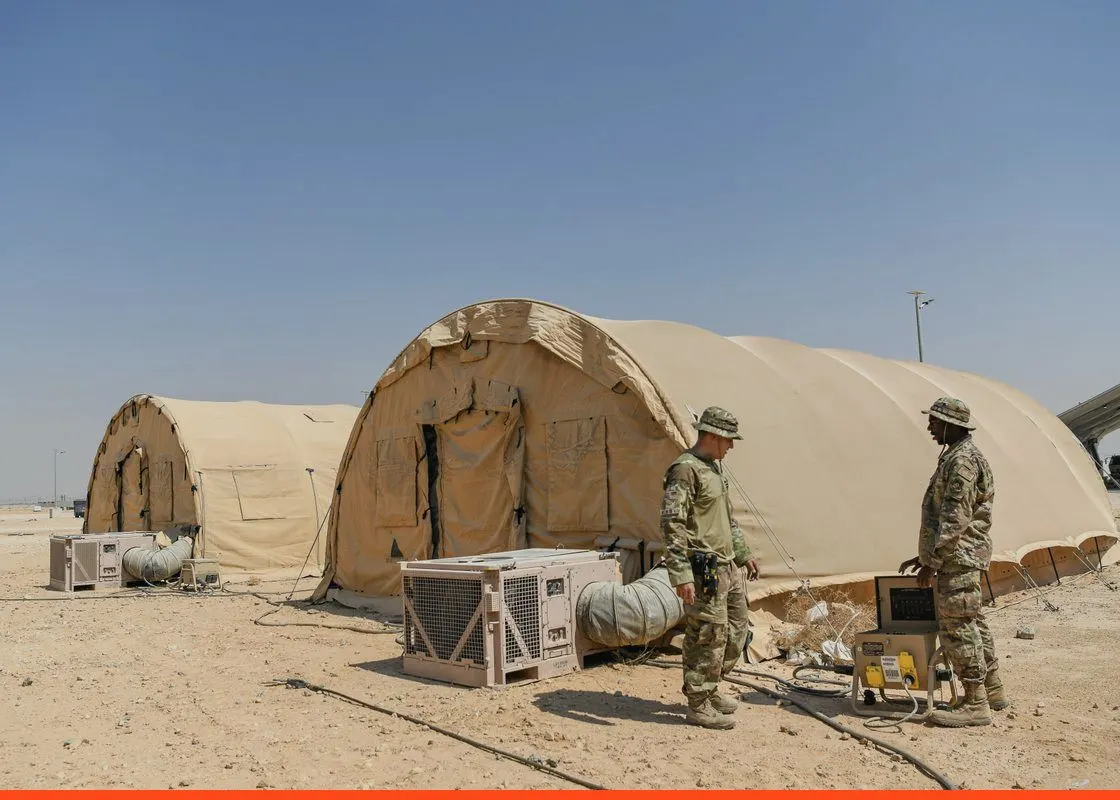
- HeatFuel fired or electric
- CoolPortable units and duct
- AirVentilation first
Safety rules
What OSHA says about temporary heaters
Heaters create fire and air hazards. OSHA's temporary heating rule covers the basics.1
| Topic | What the rule says | On a job |
|---|---|---|
| Fresh air | Supply fresh air in enough quantity to maintain the health and safety of workers, and add mechanical ventilation where natural supply is inadequate | Plan ventilation before you plan heat |
| Tarps and coverings | Heaters used near combustible tarpaulins, canvas or similar coverings must be at least 10 feet from the coverings, which must be fastened securely | Poly wrapped buildings need extra care |
| Stability | Heaters must be set horizontally level unless the manufacturer allows otherwise | Check the ground under each unit |
| Solid fuel salamanders | Prohibited in buildings and on scaffolds | Choose another heater |
| Oil fired heaters | Flammable liquid fired heaters need a primary safety control that stops fuel when the flame fails | Ask the provider to confirm it |
Heating or cooling a space?
Tell us the space, the temperature you need and the dates. We source the equipment and schedule fuel and service.
Carbon monoxide
Burning fuel indoors makes carbon monoxide
OSHA's carbon monoxide fact sheet tells employers to install an effective ventilation system that removes CO from work areas, to maintain fuel-burning equipment, and to consider switching from gasoline-powered equipment to equipment powered by electricity or batteries.2 Never run fuel-fired heaters or engines in enclosed spaces without ventilation, and ask your provider which units are rated for indoor use.
Choosing
What to settle before you order
The space and the work decide the equipment.
- 01
The space and its openings
Size, how enclosed it is and where air can come in and go out.
- 02
Fuel and power
Fuel fired heaters need fuel on a schedule, and electric and cooling units need power. See temporary power and power rental cost.
- 03
Temperature and duration
What the work needs and how long it lasts. In hot weather also see jobsite heat illness prevention.
- 04
Service and monitoring
Who refuels, who checks the equipment and who watches the space.
Common questions
Temporary heating and cooling questions
What does OSHA require for temporary heaters?
Fresh air supply, with mechanical ventilation where natural supply is inadequate, stable placement, distance from combustible coverings, and safety controls on oil fired heaters. Solid fuel salamanders are prohibited in buildings and on scaffolds.
How far should a heater be from a tarp?
OSHA requires heaters used near combustible tarpaulins, canvas or similar coverings to be at least 10 feet from them.
Can I use a fuel heater indoors?
Only with ventilation and with equipment rated for it. Burning fuel makes carbon monoxide. Ask your provider.
Do you supply cooling too?
Yes. We source portable cooling units and duct through local providers.
Who fuels the heaters?
We can schedule fuel with the rental. Tell us the equipment and the hours.
How do I get a quote?
Call sales at (888) 588-2607 or request a quote.
Heat, power and fuel on one agreement
Local providers do the work; we hold the contract, own the problems, and send one bill. If a delivery gets missed, we contact the provider the same business day.