Already counted
Nails and underlayment
IKO's per-square figures add 10 pounds for underlayment, nails and other debris, so they need no line of their own.2 Use a magnet sweep around the drop zone; nails end up on the ground as well as in the box.
Torn-off asphalt shingles are dense, so a roofing dumpster runs out of weight long before it runs out of room. EPA puts loose asphalt roofing at 731 pounds per cubic yard.1 Plan the box on the scale, keep the load to roofing, and check old roofs for asbestos before the tear-off starts.
Why it is its own stream
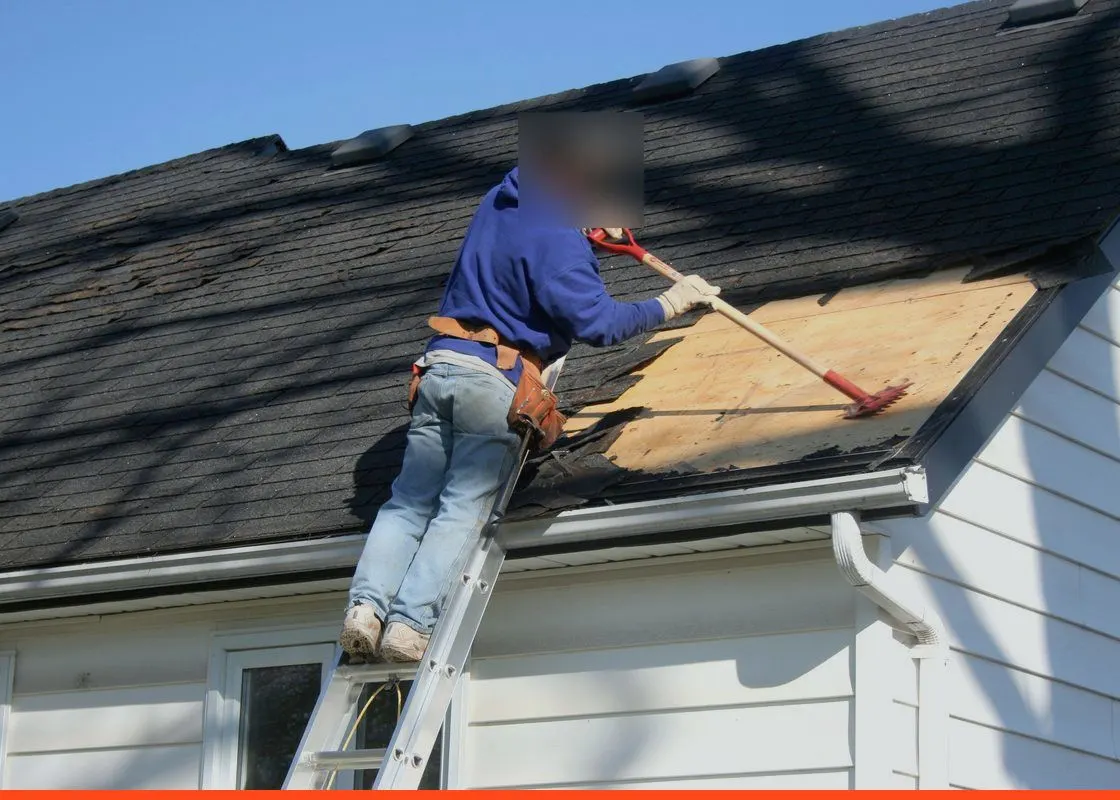
A tear-off is one dense material arriving over a day or two. IKO, a shingle maker, estimates about 200 pounds per square for 3-tab shingles, 240 for laminate and 300 for premium, counting underlayment, nails and other debris.2 That is why shingles get their own container and their own weight plan.
Same 20 yard box, three roofs
Laminate, one layer: space used vs weight used
A 25 square laminate roof weighs about 3 tons but fills only about 8 loose cubic yards, so a 20 yard box reaches 3 tons with more than half its space empty. IKO's sizing chart uses 3 tons as the example limit for a 20 yard, and notes that your rental company may set different limits.2
Space comes from EPA's 731 pounds per loose cubic yard of asphalt roofing.1 Limits vary by hauler and market, so confirm the tons included in writing before the box arrives. Run your own roof through the roofing dumpster calculator.
Which container
Asphalt shingles can go in a roll-off. The question is whether they share it.
One material, sized by weight, swapped when it reaches its tons. Tell the provider it is a reroof and how many layers are coming off.
A few bundles of shingles in a renovation box are common, but they use up its tons fast. Say so when you order so the tons included match.
Old roofing that might contain asbestos, until it is tested. Leftover roofing cement, primer and solvents in liquid form. See keep it out.
Our guide to what can go in a dumpster lists asphalt shingles as a yes, with one warning: they are heavy, so count the layers coming off.
How big
One layer, using IKO's per-square weights and EPA's loose weight for roofing.21 A square is 100 square feet of roof surface.
| Roof size | 3-tab | Laminate | Premium |
|---|---|---|---|
| 10 squares | 1 ton, 2.7 cu yd | 1.2 tons, 3.3 cu yd | 1.5 tons, 4.1 cu yd |
| 20 squares | 2 tons, 5.5 cu yd | 2.4 tons, 6.6 cu yd | 3 tons, 8.2 cu yd |
| 30 squares | 3 tons, 8.2 cu yd | 3.6 tons, 9.8 cu yd | 4.5 tons, 12.3 cu yd |
| 40 squares | 4 tons, 10.9 cu yd | 4.8 tons, 13.1 cu yd | 6 tons, 16.4 cu yd |
IKO says a second layer doubles the dumpster you need and suggests a separate weight calculation for it, since the bottom layer may be a different shingle.2 Wet debris weighs more. The roofing dumpster calculator adds layers and replaced decking and shows which size holds the job on space and on weight. The dumpster weight limits guide explains tons included and overages, and the dumpster size guide compares every size.
What comes off the roof
A tear-off is more than shingles. FHWA describes old tear-off shingles as likely to include nails, metal flashing and felt underlayment.3
Already counted
IKO's per-square figures add 10 pounds for underlayment, nails and other debris, so they need no line of their own.2 Use a magnet sweep around the drop zone; nails end up on the ground as well as in the box.
Ask the receiving site
Small amounts of metal usually ride with the roofing load. If a shingle recycler takes the load, ask what it wants pulled out first. A whole metal roof is a separate stream: see scrap metal dumpsters.
Add it
Rotten plywood or OSB coming off adds weight and space. Count the sheets and add them in the roofing dumpster calculator, or see wood disposal for larger amounts.
Keep separate
Shingle wrappers, pallets and cardboard from the new roof are light and bulky. Keep them out of a load headed to a shingle recycler, and ask whether the pallets can go back to the supplier.
Prep and loading
Lift a shingle at the edge to check for a second layer before you order. The weight plan depends on it.
Compare your estimate with the tons included on the quote, not just the yards. Raising them before delivery is a normal request.
Where the truck can reach and pull it back out. On a street or sidewalk, check dumpster permits.
Trash, food and household junk turn a roofing load into a mixed one. Keep a separate can for crew trash.
Load evenly and below the fill line the provider gives you. A driver can ask you to unload down to it.
Rain adds weight the scale counts. On a big roof, swap when the first box reaches its tons, and ask for a copy of the scale ticket.
Keep it out
Most of these can turn a clean roofing load into a refused one. The disposal site has the final say, and state rules can be stricter.
Rules and recycling
Federal rules set the floor. The landfill, the recycler and your city can add to them.
40 CFR 61, Subpart M
The asbestos NESHAP treats asphalt roofing products with more than 1 percent asbestos as Category I nonfriable material. Before a covered demolition or renovation, the owner or operator must thoroughly inspect for asbestos, including nonfriable material. Residential buildings with four or fewer dwelling units fall outside the rule's definition of a facility.7 State and local rules can still apply, so ask your state agency.
FHWA
Ground shingles can replace part of the asphalt binder and aggregate in asphalt pavement. FHWA's 2021 tech brief counts about 921 thousand tons used in asphalt mixtures in 2019, against an estimated 12 to 16 million tons of shingles landfilled each year, and reports that use has declined since 2014.8 It lists 28 state DOTs, counting DC and Puerto Rico, that allow it.
FHWA
At the processing sites FHWA visited, operators inspected incoming shingles, kept out shingles containing asbestos and kept wood and nails to a minimum.8 Expect a shingle recycler to set its own list of what a load may contain.
Your area
EPA's guidance on construction materials says understanding the costs and recycling options in your area is key.9 Shingle recycling exists only in some places. A box on a street usually needs a city permit; see dumpster permits.
How it works with Detritus
Send one request. We source a roll-off from a local provider in the markets we serve, and the quote states the tons included before the box arrives. Availability varies by market. Shingle recycling exists only in some areas, so ask us where a local program exists.
Decide
| Your situation | What to do |
|---|---|
| A one-layer reroof | A roofing-only roll-off sized by weight. Check it in the roofing dumpster calculator |
| Two or more layers | Figure each layer, then ask for more tons in writing or plan a swap |
| An older roof you are not sure about | Have it tested for asbestos before the tear-off, and load nothing until you know |
| A local shingle recycler takes tear-off | Keep the load to shingles and whatever else the recycler allows, and ask us whether we can route it there |
| A metal roof coming off | Treat it as scrap metal in its own container. See scrap metal dumpsters |
| Several roofs a week | See roofing contractors for swaps and crew restrooms |
Common questions
IKO estimates about 200 pounds per square for 3-tab shingles, 240 for laminate and 300 for premium, counting underlayment, nails and other debris. A 25 square laminate roof is about 3 tons.
Size it by weight first. Shingles reach a typical weight limit long before the box is full, so a smaller box with the right tons included often beats a bigger one. Confirm the tons included with your hauler, since limits vary by hauler and market.
Yes, asphalt shingles can go in a roll-off. Tell the provider it is roofing and how many layers are coming off, because shingles use up the tons included quickly.
Some are. Ground shingles go into asphalt pavement where a processor and a market exist, but FHWA estimates most shingles are still landfilled. Ask where a local program exists before you plan on it.
They can. EPA lists roofing shingles among products that may contain asbestos, and you generally cannot tell by looking. Have an older roof tested before the tear-off.
Usually, yes. Nails and underlayment are part of a normal tear-off load. If a shingle recycler is taking the load, ask what it wants removed first.
Call sales at (888) 588-2607 or request a quote with the address, the squares, the layers and the dates.
Send the squares, the layers and the dates. Local providers do the work; we hold the contract, own the problems, and send one bill.
Related guides
Sources