SWPPP site services: toilets, washout, fuel and waste
A stormwater pollution prevention plan covers more than silt fence. On a site covered by the EPA construction permit, the plan also has to say where the portable toilets, washout, fuel tanks and dumpsters go and how they are kept from polluting. This guide pulls those rules together and ties each to the service we source.
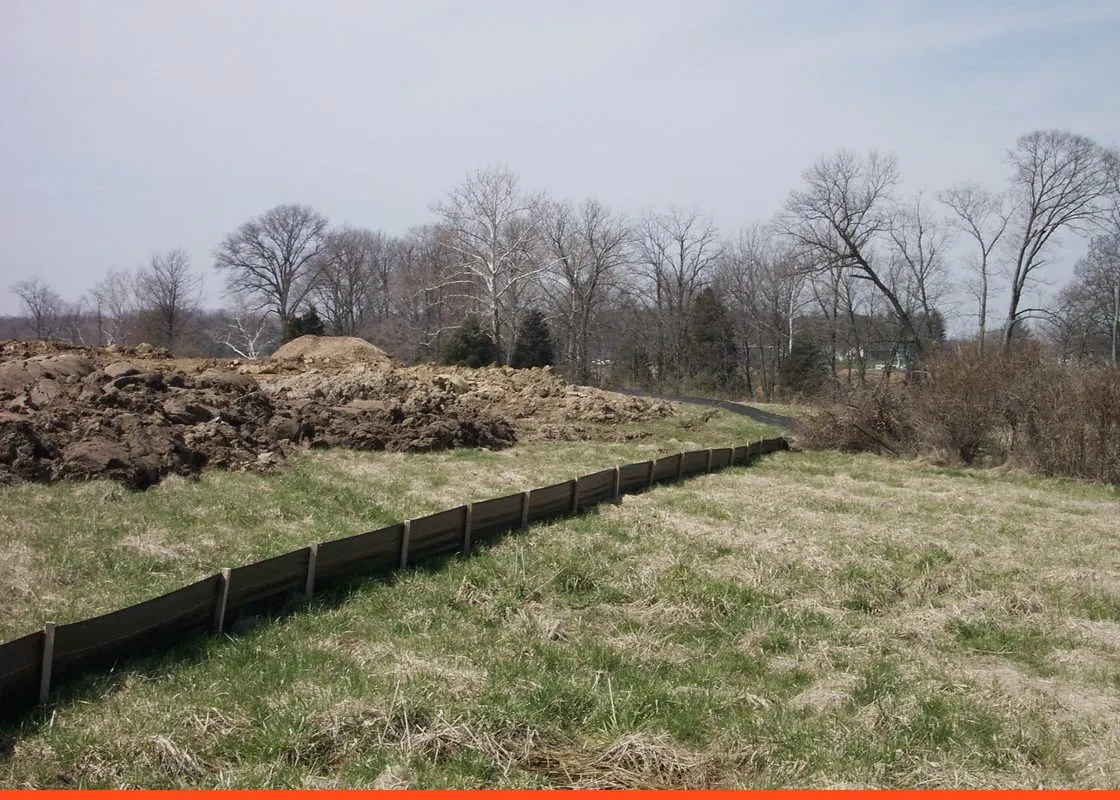
- ToiletsSecured, away from drains
- WashoutLeak proof and lined
- FuelSetback and spill kit
The requirements
What the permit says about site services
EPA's 2022 Construction General Permit applies where EPA is the permitting authority. Most states run their own permits with similar rules, so check yours.1
| Service | What the permit says | Permit part |
|---|---|---|
| Portable toilets | Position them so they are secure and will not be tipped or knocked over, and locate them away from receiving waters, storm drain inlets and drainage features | 2.3.3 |
| Fuel and chemicals | Containers of 55 gallons or more stored at least 50 feet from receiving waters, drainage features and storm drain inlets where feasible, with cover or secondary containment and a spill kit. If it is infeasible, document why in the SWPPP | 2.3.3 |
| Waste containers | Containers of sufficient size and number, with lids closed when not in use, at the end of the business day and during storms | 2.3.3 |
| Concrete washout | Direct wash water into a leak-proof container or a leak-proof lined pit, as far as possible from receiving waters and inlets, and dispose of hardened concrete like other construction waste | 2.3.4 |
| The site map | A legible map showing pollutant generating activities, stormwater controls and nearby storm drain inlets | 7.2.4 |
Placing the toilets, washout and containers?
Send us the site map. We place each service where the permit and your plan want it.
Keeping it current
Inspections, fixes and updates
The services on the map change as work moves, so the plan has to keep up.1
| Topic | What the permit says | Part |
|---|---|---|
| Inspections | At least once every 7 calendar days, or once every 14 days and within 24 hours of a storm producing 0.25 inches of rain or more in 24 hours | 4.2 |
| Reports | Complete an inspection report within 24 hours of finishing an inspection | 4.7 |
| Corrective action | Take reasonable steps immediately. Finish the fix by the close of the next business day if no new control is needed, or within 7 calendar days if one is | 5.2 |
| Plan updates | Change the SWPPP, including the site map, within 7 days of changes, including fixes made after an inspection | 7.4.1 |
On the job
Four habits that keep a site compliant
These are practical, not permit text.
- 01
Put it on the map
Show toilets, washout, fuel and dumpsters on the site map. Our logistics plan template has a layer for each.
- 02
Check them on inspection day
Are toilets upright and away from inlets? Is washout intact and not overflowing? Are lids closed on containers?
- 03
Move them when the work moves
A toilet by an inlet in the foundation phase can be fine and wrong by finishes. Update the map when you move them.
- 04
Call us the same day
If a unit tips or a container overflows, call. We contact the provider the same business day. See concrete washout and the construction site checklist.
Common questions
SWPPP site services questions
What does a SWPPP say about portable toilets?
The EPA permit requires them to be positioned so they are secure and will not tip, and located away from receiving waters, storm drain inlets and drainage features.
How far must fuel tanks be from storm drains?
For containers of 55 gallons or more, the EPA permit requires at least 50 feet from receiving waters, drainage features and inlets where feasible, and a documented reason if it is not.
What is concrete washout under the permit?
A leak-proof container or a leak-proof lined pit that takes wash water from concrete, paint and stucco work, kept as far as possible from water and inlets.
How often must a site be inspected?
At least every 7 calendar days, or every 14 days and within 24 hours of a storm of 0.25 inches or more in 24 hours, under the 2022 permit. Some sites must inspect more often.
Does this apply in every state?
The EPA permit applies where EPA is the permitting authority. Most states run their own permits with similar requirements.
Can you place the services on the site map?
Yes. Send us the map and call sales at (888) 588-2607.
Toilets, washout and containers on one agreement
Local providers do the work; we hold the contract, own the problems, and send one bill. If a delivery gets missed, we contact the provider the same business day.
Read next
Sources
- U.S. EPA, 2022 Construction General Permit, Parts 2.3.3, 2.3.4, 4, 5.2 and 7. Checked November 3, 2026. epa.gov