U.S. EPA
Most yard trimmings are composted
EPA estimates 35.4 million tons of yard trimmings were generated in 2018. About 22.3 million tons were composted or mulched, and landfills received about 10.5 million tons.1
Brush, branches, grass and leaves can fill a roll-off fast, and in many places they are not allowed in a landfill at all. EPA estimates 63 percent of US yard trimmings were composted or mulched in 2018.1 Check the local rule, keep soil out, and plan for the weight of wet green material.
Why it is its own stream
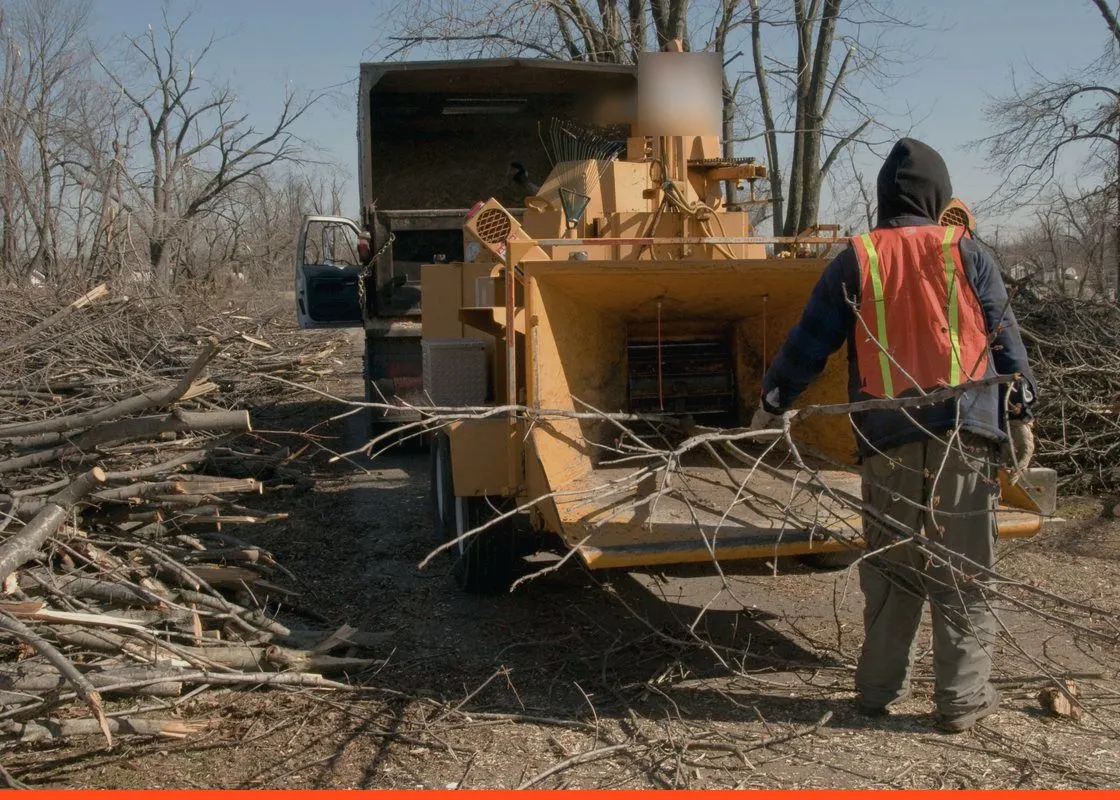
EPA counts grass, leaves, and tree and brush trimmings as yard trimmings.1 What fills the box, and how much it weighs, depends on when you clean up.
Pruning, winter storm limbs and bed cleanups. Bulky and tangled, so it fills by space.
Load tipCut limbs to length and lay them flat
Grass, hedge trimmings and land clearing. Fresh green material holds water and packs down.
Load tipMix grass with brush so it does not mat
Leaves, and the last cuttings of the year. Light when dry, much heavier after rain.
Load tipCover the box between loads
Storm-downed limbs and holiday trees. Ice and snow in the pile add weight.
Load tipShake off snow before loading
Seasons are a guide, not a rule, and they shift with your climate. Local collection programs often run on their own calendars, so check yours.
Which container
Where yard waste is kept out of landfills, a mixed box may not be allowed to carry it. A clean load keeps the compost and mulch options open.
Brush, branches, grass and leaves only. Clean yard loads can go to compost sites, as our guide to what can go in a dumpster notes.
A little yard waste in a renovation box may be fine in some places and not in others. Tell us what is in it so the load goes where it is allowed.
Dirt and sod are heavy and quoted differently. See dirt dumpsters. Trash and treated lumber spoil a compost load.
How heavy
EPA's loose weights show the spread. Green wood chips weigh nearly twice what dry ones do.2
At EPA's 250 pounds per loose yard for mixed yard waste, a 20 yard box filled to the top is about 2.5 tons and a 30 yard about 3.75.2 Leaves at the top of EPA's range, 500 pounds a yard, would double that.
Our dumpster weight limits guide shows yard waste among the materials that go over the tons included most often. Cover the box before rain, and confirm the tons included in writing, since limits vary by hauler and market. Compare sizes in the dumpster size guide.
Prep and loading
Find out whether your state, county or city keeps yard waste out of landfills, and what it counts as yard waste.
Knock dirt off roots and stumps. Soil adds weight fast and can change where the load may go.
Shorter limbs lie flat and fill the box evenly. Some programs set size limits, so ask.
Ask before loading bagged leaves or grass. Many compost sites want plant material only.
Rain soaks leaves and grass, and the scale weighs the water. Tarp the box between loads.
Stay under the fill line. On a big clearing job, plan a swap when the first box is full.
Keep it out
A compost or mulch site takes plant material. Anything else can get the load turned away.
Local rules
There is no single national rule. Two state examples show how bans work, and why you should check yours.
U.S. EPA
EPA estimates 35.4 million tons of yard trimmings were generated in 2018. About 22.3 million tons were composted or mulched, and landfills received about 10.5 million tons.1
Wisconsin DNR
Wisconsin has banned leaves, grass clippings, garden debris, and twigs, brush and branches under 6 inches across from landfills and most incinerators since January 1993. The ban does not cover stumps, roots or shrubs with intact root balls.5
Michigan EGLE
Michigan's environmental agency says yard clippings such as grass, leaves, sticks and landscape trimmings should be composted on site or taken to a composting facility. Only diseased, infested or invasive-control clippings can be landfilled.4
Your area
Some states have bans, some do not, and cities and counties run their own programs and burn rules. Ask your local solid waste office, or ask us when you order.
How it works with Detritus
Send one request. We source a roll-off from a local provider in the markets we serve and match the container and the tons included to what is in the pile. Availability varies by market. Composting and mulch outlets differ by area, so ask us where a local program exists.
Decide
| Your situation | What to do |
|---|---|
| A weekend of pruning and brush | A small clean yard waste box, or your city's collection if it runs one |
| Fall leaves on a big property | A clean box, covered between loads, with the tons included set for wet leaves |
| Land clearing with stumps | Knock the soil off, describe the stumps when you order, and check whether your state's ban covers them |
| Yard waste and soil together | Separate them. Soil goes in a dirt dumpster |
| Storm cleanup | Limbs and brush in one box, other debris in another. See emergency restoration |
| A landscaping or grounds contract | Ask about a recurring box instead of one-off hauls |
Common questions
Usually, in a clean load of brush, branches, grass and leaves. Some states and cities keep yard waste out of landfills, so a mixed debris box may not be allowed to carry it. Check the local rule.
In some places. Wisconsin has banned most yard waste from landfills since 1993, and Michigan allows only diseased, infested or invasive-control clippings in landfills. Other states have no ban. Rules vary, so check yours.
EPA puts loose mixed yard waste at about 250 pounds per cubic yard, so a full 20 yard is about 2.5 tons. Leaves run from 250 to 500 pounds a yard, and wet material weighs more.
No. Soil and sod are heavy and quoted as their own materials. Use a dirt dumpster for them.
Ask first. Stumps carry soil and weight, and state rules treat them differently. Wisconsin's yard waste ban, for example, does not cover stumps or roots.
Where a clean load can go to a compost or mulch site, it becomes compost or mulch. EPA estimates 63 percent of US yard trimmings were composted or mulched in 2018.
Call sales at (888) 588-2607 or request a quote with the address, what is in the pile, roughly how much and the dates.
Tell us what is in the pile. Local providers do the work; we hold the contract, own the problems, and send one bill.
Related guides
Sources